Get expert tips and inspiration for wedding planning, from choosing the perfect venue to organizing every detail. Make your dream wedding stress-free and unforgettable!
Planning a destination wedding? Begin your journey by asking the right questions to your wedding planner, ensuring a seamless and unforgettable celebration!
Questions about destination wedding
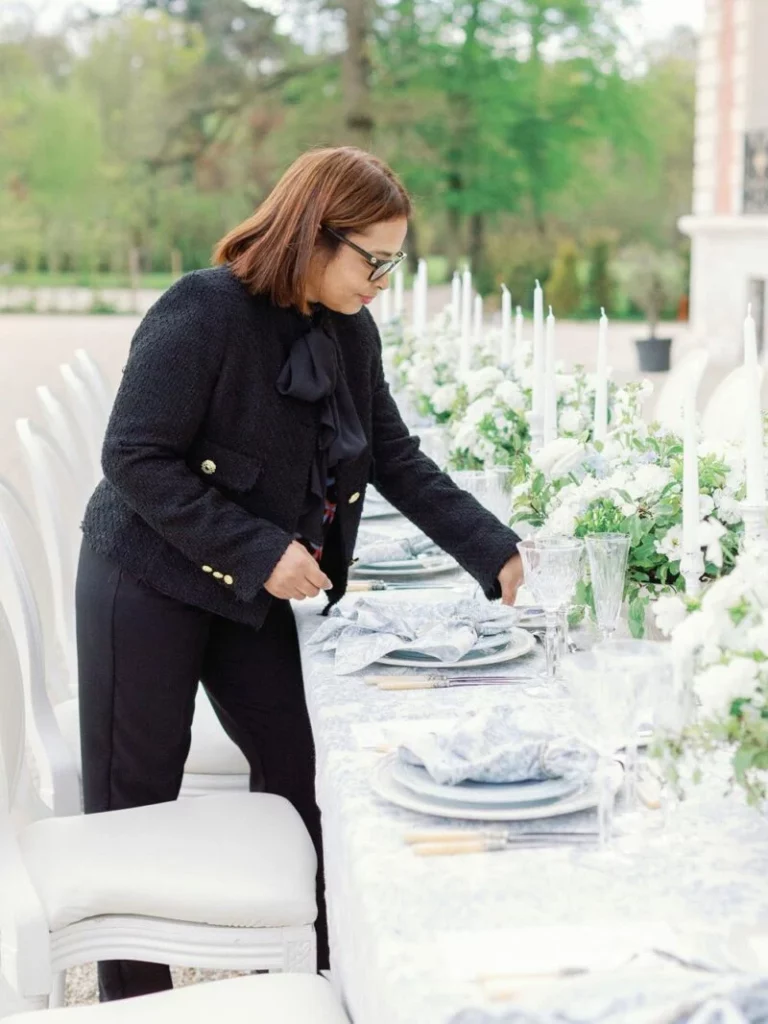
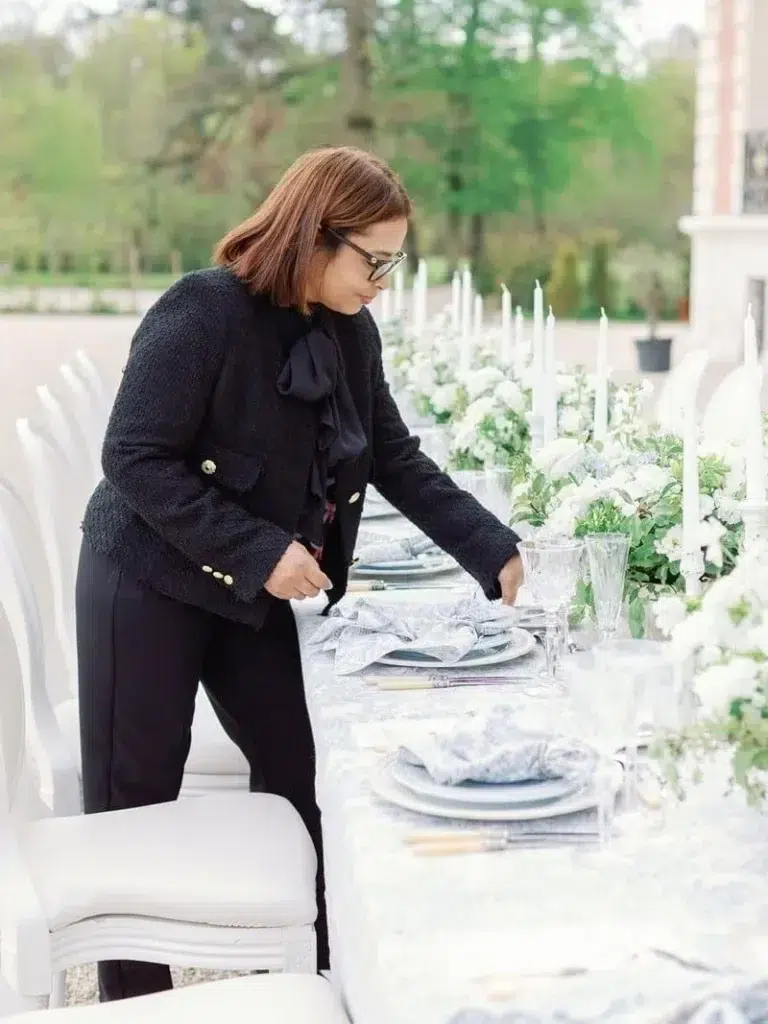
Photo: cesarem.photography by studiodesign.paris
How can I find a wedding planner who specializes in destination weddings abroad?
Research specialized directories, check portfolios and reviews, ask for recommendations, and choose a planner with proven destination experience and strong local connections.
What to ask about securing event insurance policies for a wedding abroad?
Ask what types of insurance are recommended (liability, cancellation, vendor no-show), whether coverage is valid in your destination, and what risks are included or excluded. Also check if they assist with sourcing policies, understand local requirements, and have contingency plans for uncovered scenarios.
Inquire about a planner’s experience with international currency transactions for vendor payments.
Ask how they manage payments in different currencies, including exchange rates, transfer fees, and timing. Check if they have experience handling international vendor payments, use secure payment platforms, and can advise on minimizing currency fluctuation risks.
What should I ask my wedding planner regarding travel and accommodation arrangements?
Ask how they handle guest travel logistics (flights, transfers, group bookings), accommodation options at different price points, room blocks or negotiated rates, and coordination of check-in/check-out. Also clarify contingency plans for delays or cancellations, and whether they provide on-the-ground support for guest arrivals.
Understanding the Role of a Wedding Planner
When it comes to orchestrating the perfect wedding, understanding the pivotal role of a wedding planner is fundamental. A wedding planner is not just a coordinator; they are the architects of your dream day, tasked with translating your vision into reality. They handle everything from vendor negotiations to timeline management, ensuring that every detail aligns with your expectations. Their expertise is especially crucial for destination weddings, where the logistics can be exponentially more complex.
A proficient wedding planner will take on the responsibility of scouting locations, managing budgets, and liaising with local vendors. They are your eyes and ears on the ground, ensuring that all aspects of the wedding are executed flawlessly. Their role extends beyond logistics; they are also emotional anchors, providing support and reassurance throughout the planning process. This dual function of logistical manager and emotional support system makes their role indispensable.
Moreover, wedding planners bring a wealth of experience and creativity to the table. They are adept at troubleshooting and problem-solving, skills that are invaluable when planning an event as significant as a wedding. Their creative input can elevate your wedding from ordinary to extraordinary, transforming your ideas into a cohesive and beautiful event. Understanding their role helps in appreciating the value they bring to your wedding planning experience.
Importance of Destination Wedding Planning
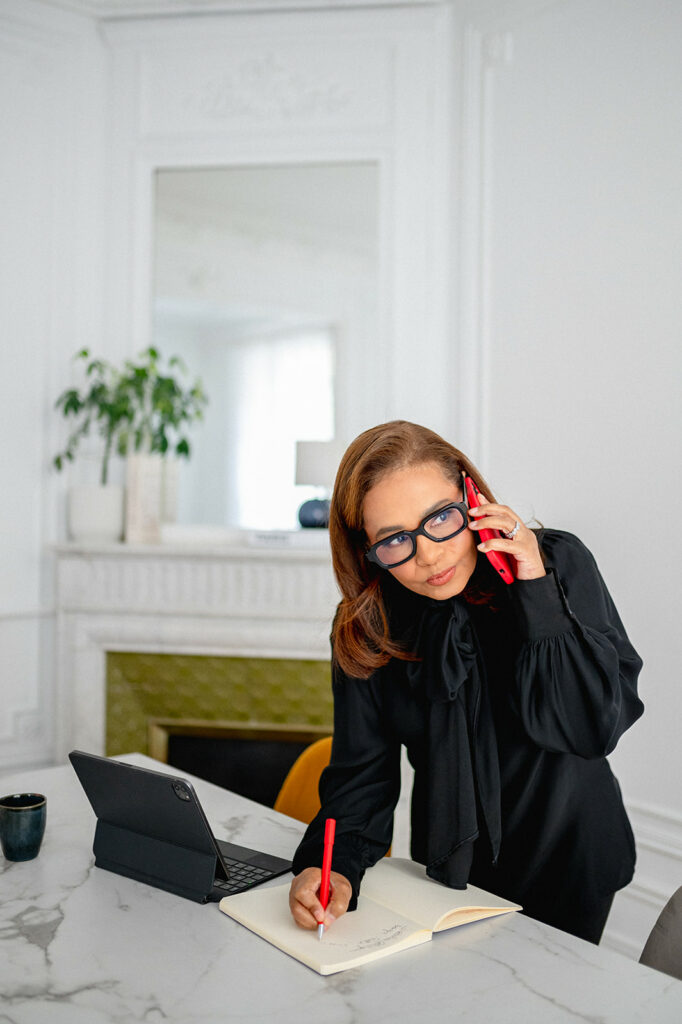
Photo: Nicolas Launay
Destination weddings offer a unique and memorable way to celebrate your love, but they come with their own set of challenges. Planning a wedding in a different location requires meticulous attention to detail and thorough preparation. This is where the importance of destination wedding planning becomes evident. Unlike local weddings, destination weddings involve additional layers of coordination, including travel arrangements, accommodation, and local customs.
A well-planned destination wedding ensures that all logistical aspects are covered, from the moment your guests arrive until they depart. It’s about creating a seamless experience where everything flows smoothly, allowing you and your guests to relax and enjoy the celebration. Effective planning also means anticipating potential issues and having contingency plans in place, which is crucial when dealing with unfamiliar environments.
Furthermore, destination wedding planning involves understanding and respecting the local culture and traditions. This sensitivity can enhance the overall experience, making your wedding not just a celebration of love but also an appreciation of the local heritage. By investing time and resources into thorough planning, you can ensure that your destination wedding is not only beautiful but also respectful and harmonious with its surroundings.
Destination Wedding Planner: Key Questions About Experience and Credentials
When entrusting your wedding to a planner, it’s essential to ask about their experience and credentials. Start by inquiring how long they have been in the wedding planning industry and specifically how many destination weddings they have managed. Experience matters because seasoned planners are better equipped to handle the unique challenges that come with destination weddings. They have likely encountered and resolved various issues, giving them the expertise to anticipate and mitigate potential problems.
Ask for references and testimonials from previous clients. This will give you insight into their working style and the quality of their services. A reputable wedding planner should have a portfolio of past events and be willing to share contact information for references. Speaking with former clients can provide valuable feedback on their experience, professionalism, and ability to deliver on promises.
It’s also crucial to verify their credentials. Check if they are members of professional wedding planning associations, which often require adherence to certain standards and ongoing education. Certifications from recognized institutions can also be indicators of their commitment to their craft. By thoroughly vetting their experience and credentials, you can make an informed decision and feel confident in your choice of planner.
Inquiring About Destination Knowledge and Local Vendors
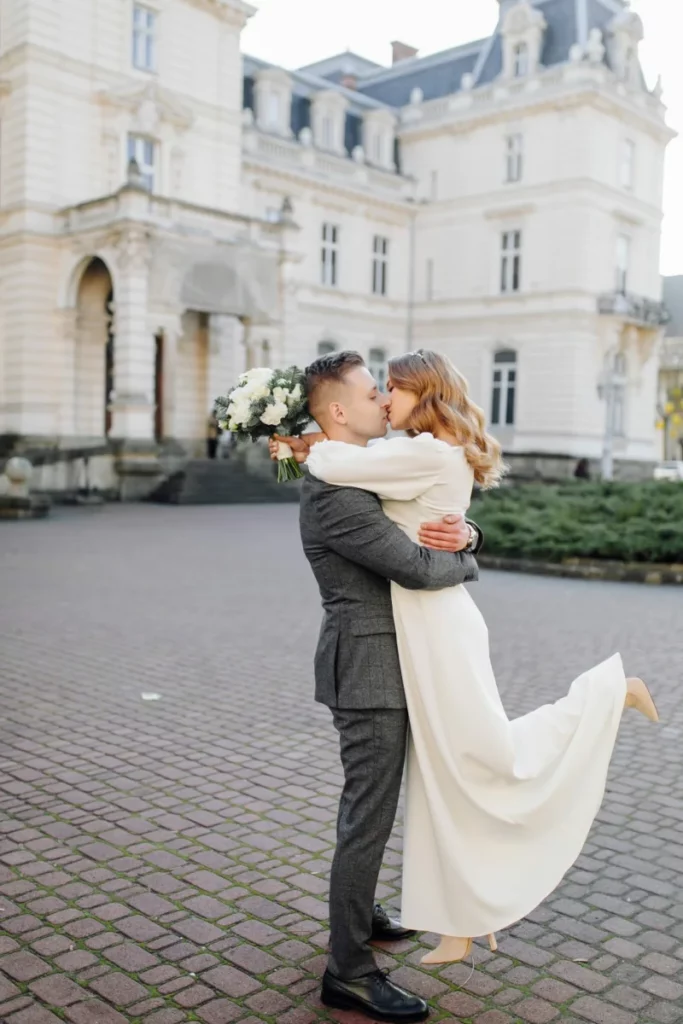
Photo: Lina Raziq
Local knowledge is a vital asset for any wedding planner, particularly for destination weddings. Ask your planner about their familiarity with your chosen destination. How well do they know the area? Are they aware of the best venues, local customs, and legal requirements? Their local knowledge can significantly influence the smooth execution of your wedding. A planner who is well-versed in the locale will have established relationships with trusted vendors and a clear understanding of the area’s logistics.
Inquire about their connections with local vendors. Strong relationships with florists, caterers, photographers, and other service providers can ensure that you get the best quality and value for your money. Ask for recommendations and whether they have worked with these vendors before. Established relationships often mean better rates and more reliable service, which can be a huge advantage in a destination wedding setting.
Additionally, ask if they have planned weddings in your chosen destination before. Specific experience in that location can be incredibly beneficial. They will know the ins and outs of the area, the best times of year for weddings, and any potential pitfalls to avoid. Their knowledge can help you navigate the complexities of planning a wedding in a foreign location, ensuring a smoother and more enjoyable process.
Budgeting for Your Destination Wedding
Budgeting is a critical aspect of wedding planning, even more so for destination weddings where costs can quickly escalate. Start by asking your planner for a detailed breakdown of potential expenses. This should include venue costs, travel and accommodation, vendor fees, and any additional expenses specific to your location. A transparent budget breakdown will help you understand where your money is going and allow you to make informed decisions.
Discuss the planner’s fee structure and what services are included. Some planners charge a flat fee, while others may work on a percentage of the total wedding cost. Clarifying this upfront can prevent any misunderstandings later. Additionally, ask about any hidden costs that might arise and how they handle budget overruns. A good planner will provide a realistic estimate and have strategies in place to manage unforeseen expenses.
It’s also wise to ask about cost-saving tips and alternatives. Experienced planners often know how to stretch a budget without compromising on quality. They can suggest off-peak seasons, less expensive but equally beautiful venues, or local vendors who offer great value. By working closely with your planner on budgeting, you can ensure that your destination wedding is both stunning and financially manageable.
Understanding the Planning Process and Timeline
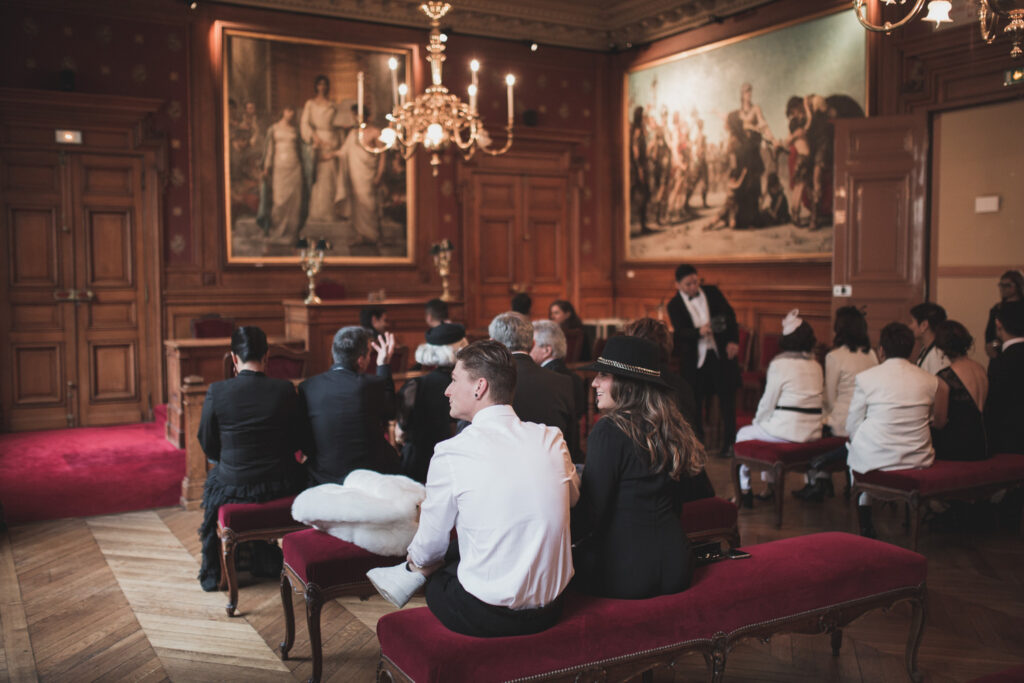
Photo: Lina Raziq
A clear understanding of the planning process and timeline is crucial for a stress-free wedding experience. Start by asking your planner to outline the steps involved from start to finish. This should include initial consultations, site visits, vendor selection, and final preparations. Knowing what to expect at each stage can help you stay organized and on track.
Discuss the timeline in detail. When should you book your venue? When do deposits need to be paid? Having a clear timeline helps in managing deadlines and ensures that nothing is overlooked. It’s also important to ask how they handle last-minute changes or emergencies. Flexibility and quick thinking are essential qualities in a wedding planner, especially for destination weddings where unexpected issues can arise.
Ask about their approach to managing the day-of coordination. Who will be on-site to ensure everything runs smoothly? What is their contingency plan for bad weather or other unforeseen events? Understanding their process and timeline gives you confidence that all aspects of your wedding are being handled professionally and efficiently, allowing you to enjoy your special day without worry.
Communication and Availability of Your Planner
Effective communication is the cornerstone of successful wedding planning. Begin by asking your planner about their preferred method of communication. Do they prefer emails, phone calls, or in-person meetings? Knowing this upfront can help streamline your interactions. Also, inquire about their response time. Will they be available for quick questions or emergencies, and how long do they typically take to respond?
Discuss their availability, especially as the wedding date approaches. Will they be available for site visits, vendor meetings, and other important milestones? It’s crucial to know if they will be present on the wedding day to oversee the event. Some planners may delegate tasks to their team, so ask about the qualifications and roles of any additional staff who will be involved.
Finally, ask about their communication with vendors and venue coordinators. How do they keep everyone on the same page? Effective communication with all parties involved can prevent misunderstandings and ensure that your wedding day runs smoothly. By establishing clear communication channels and understanding your planner’s availability, you can foster a collaborative and efficient planning process.
Handling Legal Requirements and Travel Logistics
Navigating the legal requirements and travel logistics of a destination wedding can be daunting. Start by asking your planner about the legalities involved in getting married in your chosen location. What documents are needed? Are there residency requirements or waiting periods? Understanding these legalities upfront can prevent last-minute complications.
Inquire about their experience with handling travel logistics for both you and your guests. How do they coordinate flights, accommodations, and transportation? A planner with experience in travel logistics can ensure that all arrangements are seamless, from airport pickups to hotel check-ins. They can also provide valuable advice on travel insurance, passports, and visas, ensuring that all necessary documents are in order.
Ask about their contingency plans for travel disruptions. How do they handle flight delays or cancellations? What if a key vendor is unable to make it due to travel issues? Having a planner who is prepared for these scenarios can provide peace of mind. By addressing legal requirements and travel logistics comprehensively, your planner can help ensure that your destination wedding is both legally compliant and smoothly executed.
Personalization and Customization Options
Every couple wants their wedding to reflect their unique personality and love story. Ask your planner how they approach personalization and customization. What steps do they take to understand your vision and preferences? A good planner will take the time to get to know you and incorporate your personal touches into the wedding design.
Discuss specific ways they can customize various elements of the wedding. Can they tailor the décor, menu, and entertainment to your tastes? What options are available for personalized wedding favors or unique guest experiences? Customization goes beyond aesthetics; it’s about creating an atmosphere that resonates with you and your guests.
Ask for examples of how they have personalized past weddings. Seeing their work can provide inspiration and give you confidence in their ability to bring your vision to life. By focusing on personalization and customization, your planner can help create a wedding that is not only beautiful but also deeply meaningful and memorable.
Final Thoughts on Choosing the Right Wedding Planner
Choosing the right wedding planner is one of the most significant decisions you will make in the planning process. It’s essential to find someone who not only has the expertise and experience but also understands and shares your vision. Take the time to interview multiple planners, ask detailed questions, and trust your instincts.
Your wedding planner will be your partner throughout this journey, so it’s crucial to choose someone you feel comfortable with and can trust implicitly. Their role is to take the stress off your shoulders, allowing you to enjoy the planning process and your special day. By asking the right questions and carefully considering their responses, you can find a planner who will make your destination wedding a seamless and unforgettable celebration.
In conclusion, planning a destination wedding requires careful consideration and thorough preparation. By asking these key questions and understanding the role, experience, and approach of your wedding planner, you can ensure that every detail is meticulously handled. This allows you to focus on what truly matters—celebrating your love with family and friends in a beautiful and memorable setting.
10 Key Questions to Ask Your Destination Wedding Planner
What is your experience with destination weddings? How many international weddings have you planned, and in which locations?
Do you have strong local knowledge and vendor connections? Are you familiar with the destination and do you work with trusted local vendors?
How do you handle budgeting and cost transparency? Can you provide a detailed budget breakdown and manage unexpected expenses?
What is your planning process and timeline? What are the key stages of planning and when do decisions need to be made?
How do you manage communication and availability? How often will we communicate and what is your typical response time?
Do you assist with travel and guest logistics? Can you coordinate flights, accommodations, and transportation for guests?
How do you handle legal requirements for getting married abroad? What documents are required and do you guide couples through the legal process?
How do you manage international payments and currency exchange? How are vendor payments handled across different currencies?
What contingency plans do you have for unexpected issues? How do you handle weather changes, cancellations, or travel disruptions?
How do you personalize the wedding experience? How do you translate our vision into a unique and meaningful celebration?
Your destination wedding planner
Photo: Lina Raziq
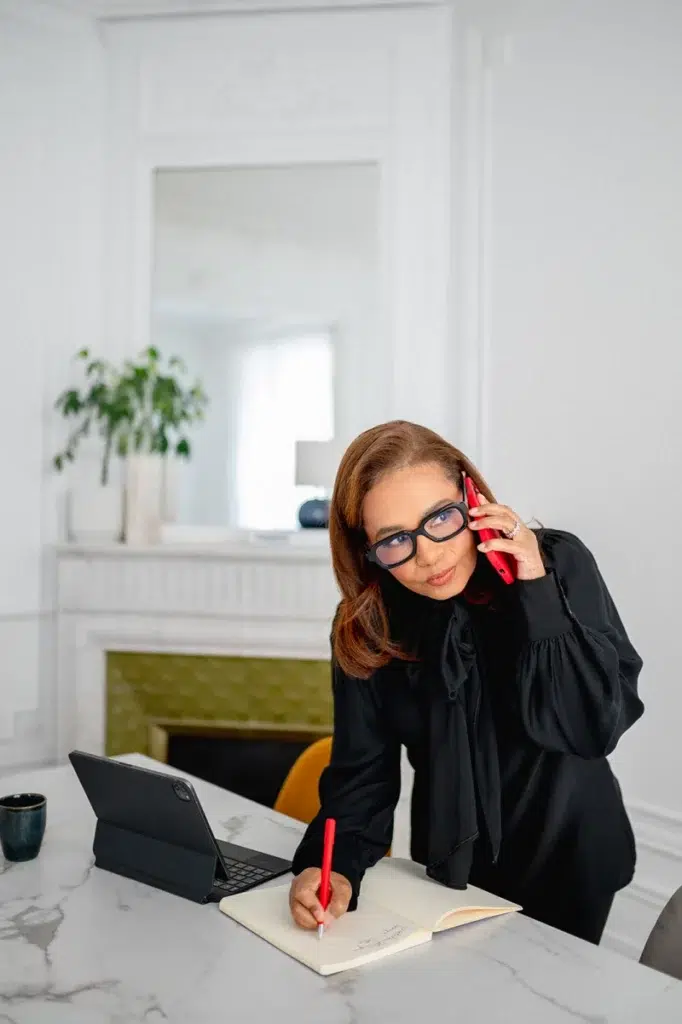
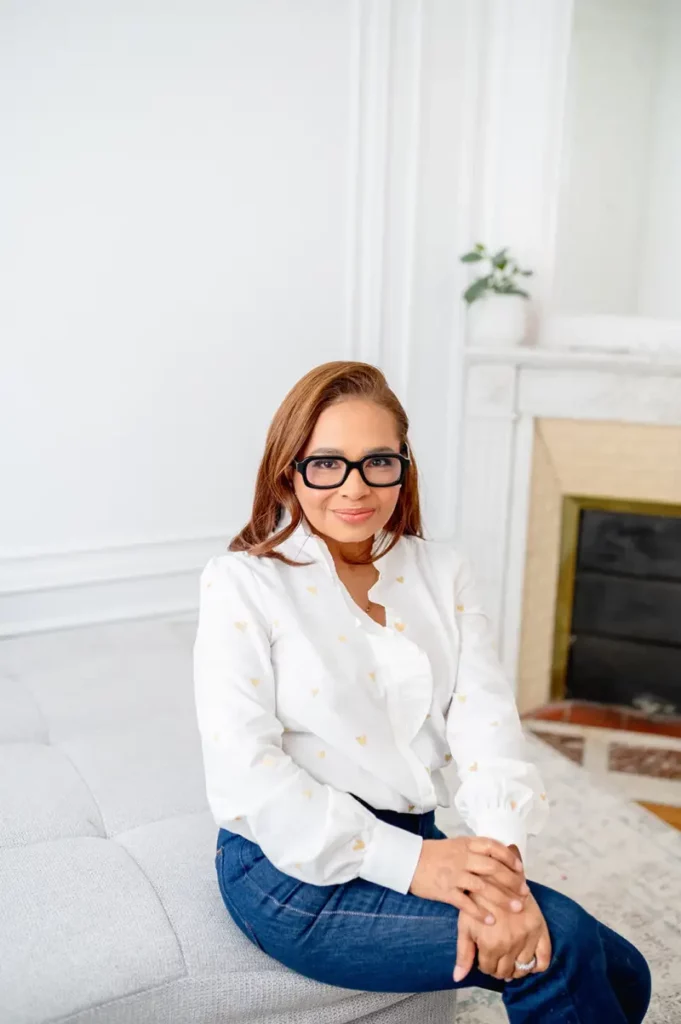
Planning a destination wedding? Cassia Thomas supports you at every stage—from selecting the perfect setting to orchestrating a seamless and memorable celebration. Fluent in Portuguese, French, and English, she effortlessly connects international couples with the city’s finest local suppliers. Recognized as an Elite Wedding Planner by MSAcademy, Cassia designs tailor-made weddings defined by refinement, individuality, and meaningful detail. With her guidance, your Paris celebration unfolds with elegance, discretion, and a truly impeccable finish.
A destination wedding in Paris is a dream for many couples. Paris is one of the most romantic cities in the world, which makes it an ideal setting for a wedding abroad. The city offers a wide range of stunning venues. For example, you can choose iconic landmarks like the Eiffel Tower, historic churches, charming courtyards, or luxury hotels.
However, planning a destination wedding in Paris involves more than choosing a beautiful location. You also need to understand local customs, follow legal requirements, and work with trusted vendors. As a result, having the right guidance is essential.
In this guide, you’ll learn every step of the process. First, we’ll cover how to choose the perfect venue. Then, we’ll walk through key details like catering, photography, and transportation. In the end, you’ll be ready to plan a Paris wedding that feels seamless, elegant, and truly unforgettable.
How to start planning your wedding in Paris?
Photo: Freepik
Planning a destination wedding in Paris starts with a clear vision. First, decide what matters most to you. For example, you might want a romantic ceremony in a historic church, a chic rooftop reception, or a private cruise along the Seine.
Once you define your style, book your venue as early as possible. Paris venues, especially iconic locations, fill up quickly. At the same time, consider hiring a local wedding planner. This is especially helpful for destination couples. A planner can manage language barriers, suggest trusted vendors, and handle key logistics such as catering, photography, permits, and transportation.
Next, focus on the essentials. Set your guest list, define your budget, and organize travel plans. This includes accommodations, transportation, and visas if needed. As a result, everything runs more smoothly for you and your guests.
Finally, add the details that bring your wedding to life. Think about décor, flowers, entertainment, and food. Step by step, your destination wedding in Paris becomes a seamless and unforgettable celebration.
How to set the budget for a destination wedding in Paris?
Setting a budget for a destination wedding in Paris begins with defining a clear financial framework from the very start—including how much you’re willing to invest and how flexible that number is. Without that clarity, it becomes difficult to make consistent decisions or align expectations with reality.
From there, the next step is to align your budget with your vision, guest count, and location. In Paris, even intimate weddings can require significant investment depending on the venue and experience you’re aiming to create. A smaller guest list doesn’t automatically mean lower costs—what matters most is the level of production, setting, and overall concept.
Working with a local wedding planner is essential in this process. A planner helps translate your vision into a realistic budget, guiding you on where to allocate resources for the greatest impact. While they manage and structure the budget, staying within it ultimately depends on the choices made along the way—making trust and open communication key.
Finally, it’s important to remain flexible and realistic. Many couples begin with an idealized vision, but refining that vision to match the available budget is part of the process. By prioritizing what truly matters and relying on experienced professionals, couples can create a cohesive, meaningful celebration without unnecessary overspending.
When to start planning your destination wedding in Paris?
Ideally, couples should start planning about a year in advance. That said, we’re increasingly seeing weddings come together in six months, three months, or even less. For that to work, it’s essential to have a clear sense of budget, priorities, and overall vision from the very beginning.
How much does an average destination wedding in Paris cost?
For 60 guests, the budget is approximately €95K. For over 100 guests, it starts from €150K.
Average cost of a small destination wedding in Paris for 30 guests
For 30 guests, the budget is approximately €60K–€70K.
Best time of year for an outdoor wedding ceremony in Paris
A destination wedding in Paris is perfect for outdoor ceremonies. However, timing is key. In my experience, the best months are late May, June, and early September. During this period, the weather is mild, the light is soft, and the gardens are either in full bloom or just starting to turn golden.
Although summer may seem ideal, July and August can be challenging. Heatwaves are common, and the city becomes very crowded. As a result, guest comfort and logistics can be affected. In contrast, spring and early fall offer a more relaxed atmosphere. This makes the overall experience smoother and more enjoyable.
Finally, think about timing your ceremony during golden hour. This is especially important if you want that effortless Parisian look. The soft light enhances every detail, from the setting to the photos. As a result, your destination wedding in Paris feels even more elegant and memorable.
Cost estimates for a destination wedding in Paris including vendors
A destination wedding in Paris involves a highly curated team of vendors, and costs reflect that level of expertise. While intimate celebrations (up to 10 guests) may start around €20,000, most full-service weddings with planners, design, and guest experience typically range from €60,000 to €150,000 or more—especially when incorporating iconic venues and multi-day events.
What are typical visa requirements for US wedding guests traveling to France?
For U.S. guests attending a destination wedding in France, the process is typically seamless—no visa is required for short stays, and entry is straightforward with a valid passport. The main consideration is ensuring passports meet validity rules and allowing a bit of extra time at arrival due to new EU entry procedures.
For foreigners, having a civil or legal wedding in France requires careful planning, as French law imposes specific residency and documentation requirements. Couples must typically provide birth certificates, passports, proof of domicile, and, if applicable, divorce or death certificates from previous marriages—translated into French and officially certified. Civil ceremonies must be conducted at a mairie (town hall) by a French officiant to be legally recognized, even if you plan a religious or symbolic celebration elsewhere. Many destination couples combine this legal step with a private ceremony or celebration, often with the help of a local wedding planner who can navigate the bureaucracy and ensure all paperwork is correctly submitted in advance.
What are the legal steps for US citizens to marry in France?
For U.S. couples, legally marrying in France requires a structured administrative process that begins with establishing at least 30 days of residency in the commune where the wedding will take place. From there, couples must compile a detailed dossier—including recent birth certificates, a certificate of no impediment, and translated, apostilled documents—and submit it to the local mairie. The application is then followed by the mandatory publication of banns for 10 days, after which the civil ceremony can take place.
The legal ceremony itself must take place at the mairie, in French, and may require an interpreter, with at least two witnesses present. Because of these steps and timelines, many couples find the process restrictive. As a result, most U.S. destination weddings in Paris are symbolic ceremonies, with the legal marriage completed in the United States beforehand, allowing for greater flexibility and a more seamless experience.
How to obtain a marriage license for foreigners in France.
In France, obtaining the right to marry isn’t a standalone license but a structured administrative process through the mairie. Foreign couples must compile a detailed dossier, have it approved, and complete a mandatory waiting period before the civil ceremony can legally take place.
Destination wedding planner in Paris
A Destination Wedding Planner in Paris is your essential partner for turning a romantic dream into reality in the City of Light. From selecting iconic venues like the Eiffel Tower, historic churches, or luxury hotels, to coordinating trusted vendors, décor, and culinary experiences, a planner ensures every detail is flawlessly executed. Especially for international couples, they navigate language barriers, local regulations, and logistics, allowing you to enjoy a seamless, stress-free wedding experience. With their expertise, your Paris wedding becomes a beautifully curated celebration that reflects your personal style while capturing the timeless elegance of the city.
Recommended wedding planners specializing in Paris destination events
Cassia Thomas is a leading wedding planner in Paris for destination events, known for translating each couple’s vision into a fully tailored, multi-day experience rooted in elegance and the French art de vivre. Her multicultural background and hands-on approach make her a trusted partner for international couples seeking a seamless and deeply personal celebration in France.
Which companies offer Paris destination wedding packages?
One of the leading companies offering Paris destination wedding packages is Cassia Thomas Weddings, a boutique agency specializing in fully tailored experiences rather than one-size-fits-all packages.
Unlike traditional fixed packages, Cassia Thomas offers a range of customizable wedding formats designed around each couple’s vision:
Types of destination wedding packages offered
Full-service destination weddings Complete planning from concept to execution, including venue sourcing, vendor curation, budget management, and on-site coordination.
Multi-day wedding experiences Designed as immersive celebrations with:
Mini weddings Intimate, design-led celebrations for smaller guest lists, maintaining the same level of sophistication as larger events.
Elopement packages (Paris-specific) Pre-curated collections for couples seeking a more intimate experience, typically including:
location scouting (gardens, rooftops, iconic Paris spots)
photographer and celebrant
floral design and styling
optional concierge services
How much does it typically cost to hire a wedding planner in Paris?
A full‑service planning with Cassia Thomas typically starts at around €12,000 for comprehensive support—from venue scouting and vendor curation to design, budget management, and day‑of coordination. This flat fee cover a wide range of services designed to make destination planning seamless and elegant.
Keep in mind that actual wedding planner costs in Paris can vary based on experience, the complexity of your event, and the level of customization you want. Many planners also offer à‑la‑carte or day‑of coordination services at different price points, and some may charge a percentage of your total wedding budget instead of a flat fee. But using Cassia Thomas’s published pricing gives you a solid benchmark for luxury, full‑service wedding planning in Paris.
Wedding venues in Paris
Photo: Nicolas Launay
Paris is a city where every corner exudes romance, making it one of the most sought-after destinations for weddings. From historic landmarks and grand hôtels particuliers to chic rooftops and intimate hidden courtyards, the city offers an extraordinary variety of venues to suit every style and size of celebration. Choosing the right wedding venue in Paris sets the tone for your entire event, blending iconic Parisian charm with personalized touches to create an unforgettable experience for you and your guests.
Top venues for a destination wedding in Paris with outdoor spaces
Paris offers a refined selection of wedding venues that beautifully combine historic architecture with outdoor spaces—an essential element for destination celebrations. According to Cassia Thomas, standout locations such as Maison de l’Amérique Latine and Musée Rodin feature elegant interiors that open onto lush gardens, creating a seamless flow between indoor and outdoor moments. For larger-scale events, Les Salons du Pré Catelan offers expansive green surroundings, while options like Yachts de Paris provide a unique open-air experience along the Seine, with iconic views of the city.
Other venues balance classic Parisian elegance with more intimate outdoor settings, such as Salons des Arts et Métiers, where garden cocktails can precede an indoor reception, or Hôtel de Crillon, which offers terraces overlooking landmark views. For smaller celebrations or elopements, iconic gardens like the Jardin des Tuileries and Luxembourg Gardens provide a romantic open-air backdrop. Together, these venues reflect what makes Paris so distinctive: the ability to blend timeless sophistication with outdoor beauty, creating a setting that feels both iconic and deeply personal.
Venues in Paris with Eiffel Tower views suitable for a wedding reception
Paris offers a select group of wedding reception venues with direct views of the Eiffel Tower—a feature that instantly elevates the entire experience. Iconic locations such as Café de l’Homme provide panoramic terraces facing the monument, ideal for sunset cocktails and elegant dinners, while palace hotels like Shangri-La Paris offer some of the closest and most unobstructed views in the city, combining grand interiors with private balconies and terraces. These venues create a seamless blend of Parisian sophistication and iconic scenery, making the setting itself a central design element.
For more intimate or contemporary celebrations, options like Hôtel Marignan Champs-Élysées feature rooftop spaces with a direct line of sight to the Tower, perfect for smaller, editorial-style receptions. Across all these venues, the appeal lies in their ability to frame the Eiffel Tower as a living backdrop—especially during golden hour or its evening illuminations—offering a setting that feels both cinematic and unmistakably Parisian.
Luxury wedding venues in Paris with garden options
Paris offers an exceptional variety of wedding venues that reflect the city’s unique blend of history, elegance, and versatility, ranging from private mansions and cultural institutions to gardens and river experiences. According to Cassia Thomas, many of the most sought-after locations—such as Maison de l’Amérique Latine, Musée Rodin, and Salons des Arts et Métiers—combine refined interiors with outdoor elements like gardens or terraces, allowing celebrations to flow seamlessly between spaces while embracing the Parisian atmosphere.
The selection also extends to venues surrounded by greenery, like Les Salons du Pré Catelan in the Bois de Boulogne, as well as unique settings such as receptions on the Seine or rooftop locations with landmark views. Overall, these venues highlight a key characteristic of weddings in Paris: the ability to tailor the experience—whether intimate or large-scale—by choosing a setting that aligns with the couple’s vision, while incorporating iconic scenery, architectural charm, and the city’s signature sense of sophistication.
Wedding ceremony in Paris
Photo: Nicolas Launay
A wedding ceremony in Paris combines timeless romance with iconic settings, offering couples a truly unforgettable experience. Whether you envision exchanging vows beneath the Eiffel Tower, in a historic church, or within a private garden or luxury hotel, Paris provides a wealth of stunning backdrops. Planning a ceremony in the city involves more than just choosing a beautiful location—it’s about coordinating logistics, respecting local customs, and creating a moment that reflects your unique love story amidst the elegance and charm of the City of Light.
How to hire a professional wedding officiant in Paris
Hiring the right officiant in Paris is less about logistics and more about connection—they are the voice of your ceremony. Choosing a professional who understands your story, speaks your language, and aligns with your vision ensures a celebration that feels both personal and effortlessly elegant. A wedding planner can also play a key role in this process, recommending trusted officiants who match your style and coordinating every detail to ensure the ceremony flows seamlessly.
English-speaking officiants for civil ceremonies in Paris
It’s not possible to have a fully English-led civil ceremony in Paris, as French law requires the official procedure to be conducted in French at the mairie. For this reason, most international couples separate the two: they complete the legal marriage at home and hire an English-speaking officiant in Paris for a symbolic ceremony—allowing for a much more personal, flexible, and guest-friendly experience.
Best catholic churches for weddings in Paris
Photo: D51 Fotografias
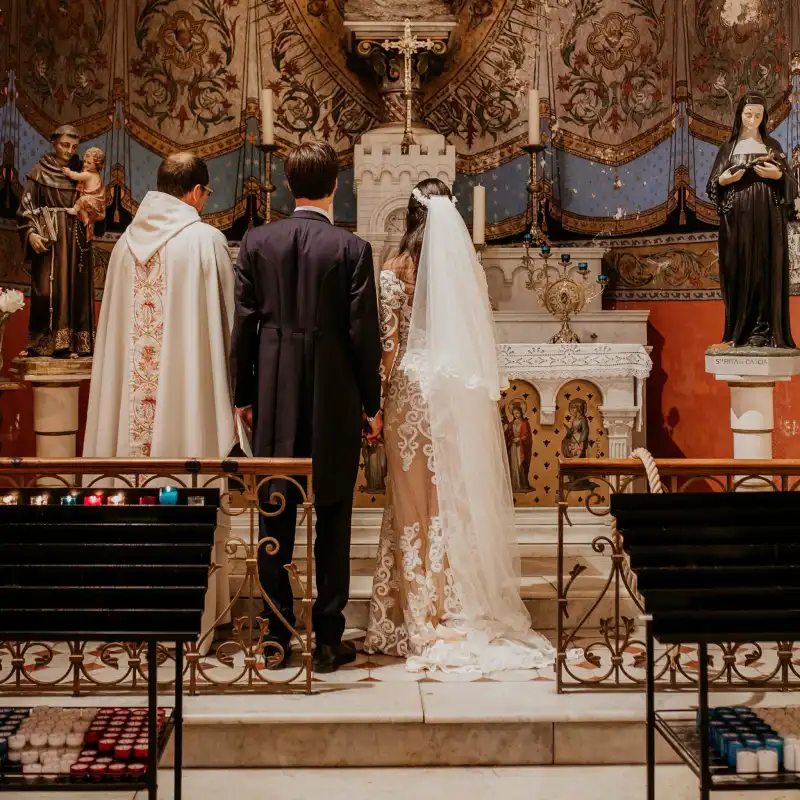
A destination wedding in Paris offers stunning options for a Catholic ceremony. The city combines historic grandeur with remarkable architecture. According to Cassia Thomas, a few churches stand out for destination weddings.For example, Saint-Eustache Church is one of the most iconic. It’s a large Gothic landmark, known for its scale and opulence. As a result, it’s ideal for bigger weddings. Another striking option is Église de la Madeleine. Designed like a Roman temple, it features dramatic columns and a cinematic setting. Meanwhile, Église Saint-Augustin blends Romanesque and Gothic styles. Its central dome creates a unique and elegant atmosphere.Together, these churches show what makes a Catholic wedding in Paris so special. They offer monumental architecture, rich history, and a strong sense of tradition.However, requirements can be strict. Most churches require couples to be baptized. You will also need to provide religious documents and complete preparation with a priest. As a result, early planning is essential for your destination wedding in Paris.
Can foreigners get married in a church in Paris?
Catholic churches in Paris do allow international couples to marry, but the ceremony is religious, not civil, meaning it is only legally recognized if you also complete a civil marriage (usually at a town hall, in France or abroad).
To marry in a Catholic church in Paris, couples typically must:
Be baptized Catholics (at least one partner, often both);
Provide recent baptism certificates;
Complete pre-marriage preparation (through your local parish or the Paris church);
Obtain authorization from your home parish and the Paris diocese;
Submit a full religious file several months in advance.
Please note that:
Some churches may require a connection to France or to the specific parish
Planning should begin 6–12 months in advance
Documents may need to be translated into French
Wedding Catering in Paris
Photo: Nicolas Launay
A destination wedding in Paris offers a ceremony filled with romance and iconic scenery. The city is known for its timeless charm, which makes every moment feel special.
You can choose from a variety of stunning settings. For example, you might exchange vows near the Eiffel Tower, inside a historic church, or in a private garden or luxury hotel. Each option creates a different atmosphere, but all reflect the elegance of Paris.
However, planning a ceremony in Paris involves more than choosing a beautiful location. You also need to coordinate logistics and follow local customs. Because of this, careful planning is essential.
In the end, the goal is to create a moment that feels personal and meaningful. As a result, your destination wedding in Paris becomes a seamless and unforgettable celebration in one of the world’s most romantic cities.
How to find a Paris-based wedding caterer for destination weddings
For a destination wedding in Paris, choosing the right caterer means balancing great food with flawless execution. Beyond independent caterers, many couples also work with renowned chefs and luxury hotel teams for a more elevated experience.
For example, chefs like Alain Ducasse offer world-class cuisine, including at venues such as Le Jules Verne. In addition, luxury hotels like Ritz Paris, Hôtel Plaza Athénée, and Shangri-La Paris provide exceptional in-house catering. These teams are often led by Michelin-level chefs and supported by experienced banquet staff. As a result, they are ideal for refined, full-service celebrations.
To simplify the process, start with your venue. Many Paris locations require or recommend specific caterers, especially in historic or luxury settings. If you are planning from abroad, consider working with a local wedding planner. This helps you access trusted professionals and organize tastings, either in person or online.
Next, review menus carefully. Confirm what is included, such as staff, rentals, and service style. Also, make sure the team understands the needs of an international wedding.
In the end, the right caterer brings more than technical skill. They combine creativity, precision, and service. As a result, your destination wedding in Paris feels seamless, sophisticated, and truly unforgettable.
Options for catering services for a private wedding dinner in Paris
For a destination wedding in Paris, a private wedding dinner should feel both refined and effortless. The key is choosing a caterer or chef who delivers excellent food and smooth service.
Start by deciding the style of your dinner. Full-service caterers are ideal for formal, multi-course meals. In contrast, private chefs create more intimate and personalized experiences, often in your venue or private residence. You can also consider boutique caterers with a modern, design-led approach. These options make the dinner both visually striking and memorable. In Paris, names like Trait’Tendance, Frédéric Moulin, and Curry Street reflect the diversity of high-quality choices available.
To make the process easier, start with your venue or a local wedding planner. Many Paris venues work with preferred caterers. Next, ask for sample menus and schedule tastings, either in person or online. At the same time, confirm key details such as staffing, kitchen access, and service style.
In the end, the right choice goes beyond great food. It creates a cohesive experience that reflects your vision. As a result, your destination wedding in Paris feels thoughtful, elevated, and truly unforgettable.
Photographer for destination wedding in France
Choosing the right photographer for a destination wedding in France is essential. It’s not just about beautiful photos. It’s about capturing the feeling of your day.
An experienced photographer knows how to work with international clients. They also understand how to navigate iconic locations and changing conditions. In France, light, architecture, and landscapes vary from region to region. Because of this, local or destination experience makes a difference.
Your setting will also shape the style of your photos. For example, you might plan a romantic ceremony in Paris, a vineyard celebration in Bordeaux, or a château wedding in Provence. Each location offers a unique atmosphere and visual story.
Ultimately, the right photographer captures every emotion and detail with care. As a result, your destination wedding in France is preserved with elegance, creating memories you’ll cherish for years to come.
How to hire a photographer experienced in Paris destination weddings
For a destination wedding in Paris, choosing the right photographer is essential. It’s not just about beautiful images. It’s about finding someone who understands the city, its light, and its pace.
Start by looking for Paris-based or destination-experienced photographers. Paris comes with unique challenges. For example, landmarks can be crowded, venues may have strict rules, and the light changes quickly. Because of this, experience makes a real difference.
Next, review full wedding galleries, not just Instagram highlights. This helps you see consistency. Also, look for weddings shot at iconic locations like the Eiffel Tower or the Louvre Museum. Pay attention to the style—whether it’s editorial, fine art, or documentary—and make sure it matches your vision.
Once you have a shortlist, schedule a video call. This step is important. You’ll not only review their work, but also their personality and approach. After all, they will be with you throughout the day.
In addition, ask key questions. For example, check if they handle permits for public locations. Ask about backup equipment, timelines, and contingency plans for weather or crowds. A strong photographer will also guide you on timing, such as planning photos early in the morning for quieter streets.
Finally, review the contract carefully. Pay attention to travel fees, delivery timelines, and image rights. This ensures everything is clear before you book.
In the end, the right photographer will elevate both the experience and the visual story of your destination wedding in Paris.
Accommodation for wedding guests in Paris
Photo: Nicolas Launay
Finding the perfect accommodation for your wedding guests in Paris is essential to ensuring a comfortable and memorable experience for everyone. From luxury hotels near iconic landmarks to charming boutique stays tucked into historic neighborhoods, the city offers options to suit every preference and budget. Thoughtful planning around location, accessibility, and amenities helps guests fully enjoy the celebrations while exploring the magic of Paris, making their stay as seamless and enjoyable as your wedding itself.
Best neighborhoods for wedding guest accommodations in Paris
The best neighborhoods for wedding guests in Paris combine central location with a strong sense of atmosphere. Areas like Saint-Germain, Le Marais, and the Eiffel Tower district offer the perfect balance—easy access, beautiful surroundings, and a true Parisian experience—ensuring guests enjoy both the celebration and the destination.
Affordable luxury hotels near popular wedding venues in Paris
For a destination wedding in Paris, the ideal guest accommodation sits in the mid-luxury range. Boutique 4-star hotels and accessible luxury properties offer the best balance between comfort and value.
Focus on central areas like the 7th arrondissement and Saint-Germain-des-Prés. These neighborhoods are close to major venues and key landmarks. At the same time, they offer an authentic Parisian atmosphere.
In addition, these hotels provide a high level of comfort without the cost of palace properties. As a result, guests enjoy a refined experience that still feels approachable.
Overall, this category is the sweet spot. It ensures your destination wedding in Paris feels elevated, well-located, and thoughtfully planned—without unnecessary expense.
Luxury hotel suites in Paris for a bridal party stay and getting ready.
For a destination wedding in Paris, bridal party preparations start with the right suite. The ideal space should feel bright, spacious, and distinctly Parisian.
Palace hotels like the Shangri-La Paris, Hôtel Plaza Athénée, and Ritz Paris offer grandeur and iconic views. These are perfect for a classic and elegant atmosphere. On the other hand, more private and contemporary options like Cheval Blanc Paris and Hôtel Alfred Sommier create a quieter, boutique-style experience.
Most importantly, choose a suite that feels like a Parisian apartment. This allows the entire bridal party to get ready together in comfort. In addition, it creates a beautiful setting for photos and special moments before the ceremony.
In the end, the right space enhances both the experience and the aesthetic of your destination wedding in Paris.
How to arrange accommodation for guests attending a Paris wedding?
For a destination wedding in Paris, guest accommodation should feel easy and well organized. Start early. Reserve room blocks 6 to 12 months in advance. Then, choose a small selection of hotels at different price points. Ideally, pick central areas like Le Marais, Saint-Germain-des-Prés, or near the Eiffel Tower.
Instead of relying on one hotel, offer a curated mix. For example, include a luxury option, a mid-range hotel, and a boutique stay. Next, make planning simple for your guests. Add all booking details, travel tips, and maps to your wedding website. As a result, everything is easy to access in one place.
Beyond hotels, think about the full guest experience. If your venue is outside central Paris, arrange transportation. Also, consider serviced apartments for guests staying longer. In addition, plan small gatherings such as welcome drinks or a post-wedding brunch. These moments help bring everyone together.
Finally, keep everything cohesive. Limit the number of hotel options and choose locations close to each other. Align the experience with your wedding style. In the end, your destination wedding in Paris will feel seamless, thoughtful, and beautifully organized.
Car rental, experiences and logistics in Paris
Organizing transportation and logistics for a wedding in Paris goes beyond simply getting from point A to point B—it’s about creating a seamless and memorable experience for you and your guests. From luxury and vintage car rentals to private chauffeur services, guided city tours, and unique experiences like river cruises or scenic drives, Paris offers countless ways to travel in style. Proper planning ensures that every transfer, excursion, and special moment runs smoothly, letting you focus on celebrating your love while your guests enjoy the city without stress.
Guide to renting wedding cars for Paris ceremonies
Renting a wedding car in Paris is as much about aesthetics as it is about logistics. Choose a style that complements your wedding—whether a vintage Citroën 2CV for a romantic, Parisian feel or a luxury sedan for a more timeless look—and opt for a chauffeur-driven service to avoid stress with traffic, parking, and timing. Book based on your full-day schedule rather than just the ceremony, ensuring smooth transitions between getting ready, the ceremony, photo locations, and the reception.
Paris-specific logistics make planning essential, from traffic delays to restricted access near landmarks. Many couples also arrange additional vehicles for guests or the bridal party, creating a coordinated transport experience. Enhance the moment with personalized touches like floral décor or champagne, and book early—especially for vintage models. Ultimately, the right car should not only be practical but also elevate your wedding photos and overall atmosphere.
Can I rent a vintage car service for a Paris destination wedding?
A destination wedding in Paris is the perfect setting for a vintage car. Not only is it possible to rent one, but it’s also a classic choice that adds charm and personality to your day.
Paris offers many services with chauffeur-driven vintage cars. For example, you can choose iconic models like the Citroën 2CV or more refined options such as classic Rolls-Royce and Bentley models. Most rentals are designed for weddings. They often include multiple stops, waiting time for photos, and optional décor.
In addition, having a professional driver is a major advantage. Traffic, navigation, and parking in Paris can be challenging. As a result, a chauffeur helps keep everything on time and stress-free.
Packages are usually flexible. You can book a car for a few hours or for the entire day. Some companies also offer scenic routes and photo stops along the way. However, it’s important to book early, as vintage cars are in high demand. Also, keep in mind that these vehicles may have limited space and fewer modern features.
In the end, a vintage car adds a timeless and cinematic touch. It enhances both the experience and the overall look of your destination wedding in Paris.
Companies offering private boat tours on the Seine for wedding guests.
A destination wedding in Paris is the perfect occasion to include a Seine boat experience. It’s a memorable way to host guests. For example, you can plan a welcome party, rehearsal dinner, or post-wedding celebration on the water.
For larger and more formal events, companies like Yachts de Paris offer fully customized experiences. These often include luxury yachts, catering, and entertainment. Similarly, Bateaux Mouches provides classic Parisian cruises with refined dining, ideal for mid-to-large groups.
On the other hand, smaller celebrations call for more intimate options. Services like Paris Boat Prestige and Paris Luxury Boat focus on tailored, design-forward experiences. Meanwhile, JP’s Boat is perfect for relaxed gatherings with a few guests.
Overall, the best choice depends on your guest count and style. In any case, adding a Seine cruise brings a unique and unforgettable touch to your destination wedding in Paris.
Plan your wedding in Paris
Photo: Nicolas Launay
Dreaming of a wedding in Paris? Cassia Thomas guides you through every step—from choosing the ideal venue to crafting a flawlessly executed celebration. Fluent in Portuguese, French, and English, she bridges the gap between international couples and the city’s top local vendors with ease. As an Elite Wedding Planner accredited by MSAcademy, Cassia creates bespoke weddings that combine elegance, personalization, and lasting impact. With her expertise, your Paris wedding is marked by sophistication, discretion, and meticulous attention to every detail.
The discovery call is a great opportunity to get to know the wedding planner and start building a connection. During this first wedding planning consultation, you can share your ideas, dreams, and wedding style, while the planner asks questions to understand your preferences, priorities, and budget. It’s also a chance to see how they work and how they can help bring your vision to life. By the end, you’ll have a clear sense of the partnership and the next steps toward receiving a personalized proposal.
Frequent questions about the wedding planning consultation
What is the first wedding planning meeting?
The first wedding planning meeting, often called a discovery meeting, is the initial consultation between you and your wedding planner. Its purpose is to determine whether you’re a good fit and to begin shaping your wedding vision. During this meeting, the planner will ask about your style, priorities, guest size, venue ideas, ceremony type, and overall goals. You’ll also discuss your estimated budget, the services the planner offers, and how they handle timelines, vendors, and day-of logistics. This meeting is also your chance to ask questions, review the planner’s experience and past weddings, and get a sense of their approach and personality. By the end, both you and the planner should have a clear understanding of next steps, including a personalized proposal tailored to your wedding vision.
What to know before meeting with a wedding planner?
Before meeting with a wedding planner, it’s helpful to have a clear idea of your vision and priorities. Think about the style, theme, and atmosphere you want, along with any specific ideas for décor, ceremony, or reception. Have an estimated guest count, a budget range, and preferred dates or seasons, especially for destination weddings. Consider your venue preferences and any additional events or special touches you’d like to include. Finally, prepare questions about the planner’s services, experience, and approach to vendors, timelines, and emergencies. Being prepared ensures a productive meeting and allows the planner to create a proposal tailored to your wedding vision.
What to do first when wedding planning?
The first steps in wedding planning involve setting the foundation for your celebration. Begin by defining your vision with your partner, including the style, theme, and overall atmosphere you want. Decide on your budget and identify your top priorities, then choose a date or date range to guide venue and vendor availability. Draft a rough guest list to help with planning, and consider hiring a wedding planner to organize ideas, recommend vendors, and keep the process on track. Finally, start researching venues that fit your vision, budget, and guest count. These initial steps will help you stay organized and make informed decisions as you move forward.
When should I look for a wedding planner?
Photo: Lina Raziq
You should start looking for a wedding planner as soon as you decide to get married and have a rough idea of your wedding date. Ideally, this is 12–18 months before the wedding, especially if you’re planning a large or destination wedding, as popular planners and venues can book up quickly.
The earlier you hire a planner, the more options, time, and peace of mind you’ll have.
What should you expect from a wedding planning consultation?
A discovery meeting with a wedding planner is your first in-depth conversation to see if you’re a good fit. During the meeting, the planner will explore your overall vision, including style, theme, venue ideas, guest size, ceremony type, and any special touches you want. You’ll discuss your estimated budget and how they can help allocate funds wisely, along with an overview of the services they offer—whether full planning, partial planning, or day-of coordination—and how they manage vendors and logistics. The planner will outline the planning timeline, key milestones, and how they handle schedules and on-the-day coordination. You’ll also have the opportunity to ask questions about their experience and past weddings while assessing whether their personality and approach align with yours. Finally, the meeting may cover next steps, contracts, fees, and how to move forward if you decide to work together.
First meeting with wedding planner: what information should you have?
Before scheduling your first wedding planning consultation, keep the following points in mind:
Your vision of the wedding
How do you envision your big day? What kind of venue are you drawn to—a beach, the countryside, or a city celebration? How do you picture your décor? What type of ceremony would you like, and why? Is it a destination wedding? Will there be additional events surrounding the main day? What kind of meals do you want to serve? Your wedding should reflect your wishes and personality, so it’s important to define your vision early on. This will help your wedding planner create a truly personalized proposal.
You don’t need to know the exact guest count at this stage, but you should have a general idea—whether it’s an elopement, an intimate celebration, or a larger wedding. This will influence both vendor costs and venue selection.
Date range
If you’re planning a destination wedding, try to determine a date range in advance. Prices can vary significantly depending on the season, so having this information beforehand is essential before speaking with your wedding planner.
Your priorities
Before your first wedding planning consultation, list the elements you consider most important for your wedding—whether it’s the décor, the photographer, the dress, the food, or the music and entertainment. Having these priorities clearly outlined will help you focus your vision and decide where to allocate your budget.
Having a budget before meeting your wedding planner ensures realistic expectations, saves time, and helps you focus on what matters most—allowing them to create a proposal perfectly tailored to your vision and finances.
Next steps after the first wedding planning consultation
Photo: Lina Raziq
After your first meeting with a wedding planner, the next steps typically involve reviewing the ideas and priorities discussed and refining your budget based on their guidance. The planner will create a personalized proposal tailored to everything you talked about, including your vision, style, and priorities. You may also want to check references or past weddings to ensure their approach aligns with your expectations. Once you feel confident, you can decide whether to hire the planner, review contract terms and fees, and schedule follow-up meetings to begin selecting vendors and working through the wedding planning timeline.
Dreaming of saying “I do” in France or Italy? Cassia Thomas is an acclaimed destination wedding planner known for creating extraordinary, tailor-made celebrations in Paris, French Castles, Sicily, and Italy. With a wealth of experience, she combines timeless sophistication, cultural sensitivity, and flawless organization. Cassia collaborates with world-class venues and elite vendors to ensure every moment unfolds effortlessly. Her in-depth knowledge of international weddings — covering everything from legal requirements to captivating event design — makes her an invaluable partner for couples planning their big day from abroad.
Congratulations on your engagement! This is such an exciting time, filled with joy and anticipation for the future. But once the excitement settles in, you might find yourself wondering, “Now what?” Don’t worry—we’ve got you covered. Here are 10 important things to do after getting engaged. They’ll help you stay organized, focused, and make the most of this special time as you start planning your big day.
Getting engaged means that two people have agreed to marry each other. It represents a formal and public commitment to a future marriage and often involves one partner proposing to the other, typically with a symbolic gesture such as presenting an engagement ring.
Engagement is also a time for the couple to plan their wedding, reflect on their relationship, and prepare for the lifelong partnership they’re committing to. Culturally, engagement customs and traditions may vary, but people everywhere see this moment as a joyful milestone in a romantic relationship.
First 10 things to do after getting engaged
Announce the Happy News
Photo: Unsplash | Javier González
Yay! Congratulations! You must be over the moon! First, share the exciting news with your family and closest friends. They’ll surely be happy to celebrate with you! If you love sharing moments online, consider making a special announcement on Instagram to spread the joy.
I just got engaged quotes
Here are some sweet and celebratory quotes you can use to announce or share your joy:
“I said yes to forever!”
“Pop the champagne—we’re engaged!”
“Every love story is beautiful, but ours is my favorite. 💍”
“From this day forward, you will never walk alone.”
“He asked, and I said yes! Here’s to our happily ever after.”
“Two souls, one heart, and a lifetime of love to look forward to.”
“We’ve decided on forever.”
“The beginning of the rest of our lives together starts now.”
“So this is what dreams coming true feels like.”
“I can’t wait to love you forever.”
Celebrate Your Engagement
Embrace the excitement of your engagement by throwing a celebration with your closest loved ones. It could be a dinner, lunch, or even a brunch—whatever feels right for you! There’s no need to rush into planning just yet; take some time to soak in the joy of the engagement and cherish this special moment.
Insure Your Ring
Photo: Unsplash | Adrian Ordonez
If you’ve received a beautiful ring, you’ll want to keep it safe and protected. That’s why it’s essential to insure your ring, giving you peace of mind in case anything unexpected happens.
Envision Your Wedding Style
That’s a very important part of the wedding planning process, where it all begins. Nowadays, there are many possibilities for weddings – you can host a big or a small wedding, you can do it by the daylight or at night, you can have all types of decorations…so, it can be a bit tricky. It is a good exercise of self-knowledge. Try to answer this questions:
What size of wedding do you want?
Where do you imagine getting married? In the city, in a hotel, in the countryside, on the beach?
What time of the year do you prefer to celebrate it?
Do you want a daylight wedding? Or do you prefer to do it on the daylight?
Do you want to get married on your hometown? Or do you want to do a destination wedding? Would it be viable for your guests to go there?
Think about some weddings you’ve attended. What did you like most about them?
What kind of reception do you want? A full dinner experience? A brunch? A cocktail?
Do you want to party hard? Or a more cozy and calm celebration would do?
Well, I know it is a lot to think about, but it is very important to take into consideration you wishes, dreams and personal tastes.
Your choice of wedding date can also impact your budget, as wedding costs tend to vary between peak and off-peak seasons. To help you choose the perfect date, consider these criteria:
Personal Significance: Select a date with personal meaning, such as your engagement anniversary or a meaningful holiday.
Seasonal Considerations: Choose a season that aligns with your wedding style and feels comfortable, whether it’s spring, summer, fall, or winter.
Peak Wedding Season: The high wedding season typically runs from spring through early fall (September). Weddings during this period may be more expensive.
Avoid Major Holidays: Steer clear of dates close to major holidays or busy travel times, unless you’re planning a destination wedding.
Weather and Travel: Research the weather for your chosen location and ensure your date allows enough time for guests to travel.
Draft Your Guest List
One question every wedding vendor will ask is: “How many guests will you have?” This is crucial because many vendors, especially those like caterers, florists, invitation designers, and venues, base their pricing on the number of guests.
Having a clear idea of your guest list early on is essential – it will help you get a more accurate sense of your wedding costs and allow you to plan more effectively.
Of course, this list may change as the planning progresses, but it will provide you with an approximate idea of the guest count.
Discuss and Set a Wedding Budget
Choose a moment when you both feel relaxed and ready for an open conversation. Approach the discussion as a team, focusing on collaboration and mutual understanding. Be transparent, honest, and respectful about your expectations and any financial limitations.
Start by determining who will contribute to the wedding budget. Are you covering the costs yourselves, or will family members be contributing? If the latter, clarify how much support they’re willing to provide.
Next, discuss what aspects of the wedding matter most to each of you—whether it’s the venue, catering, or photography. Identify areas where you’re happy to invest more and others where you can cut back.
Once you’ve outlined your priorities, agree on a realistic total budget that feels comfortable for both of you. Factor in your current financial situation and any other upcoming expenses. Remember to include a buffer for unexpected costs, typically 5–10% of the total budget, to avoid surprises later on.
A wedding planner is like the “maestro” of your wedding, ensuring everything runs smoothly from start to finish. In other words, they help couples plan, organize, and execute their celebration. At the same time, they tailor their services to each couple’s needs.If you hire a full-service wedding planner, such as Cassia Thomas, they will handle every aspect of the process, including design, logistics, and coordination.
The planner listens carefully to the couple’s ideas, preferences, and vision for their special day. First, they help clarify the couple’s goals.
Next, they establish a wedding budget that reflects the couple’s priorities and expectations. They also offer guidance on where to allocate funds for the best value. The planner also helps find and book the perfect venue and vendors based on the couple’s style, preferences, and budget. On the wedding day, they manage the schedule, ensuring everything runs on time and addressing any issues that arise promptly.
Ultimately, a wedding planner streamlines the planning process, so couples can enjoy their engagement and wedding day without feeling overwhelmed by the details.
Create a Checklist
With the help of your wedding planner, you can create a pre-wedding timeline and a checklist of everything you need to organize for your big day.
Choose Your Wedding Venue
Photo: Olivier Neuville Photography
The venue is one of the first wedding vendors you should book. After all, it sets the tone for the entire celebration, including the ambiance, mood, décor, and more. If you’ve hired a wedding planner, they can assist you in choosing the perfect venue by conducting site visits and recommending the best locations for your wedding.
There are several important factors to consider to ensure it aligns with your vision and needs:
Does the venue comfortably accommodate your guest list?
Is there enough space for the ceremony, reception, and any other activities you plan?
Does the venue fit within your wedding budget, including all additional fees like taxes, service charges, and catering costs?
Does the venue match your wedding theme or style, whether it’s rustic, modern, classic, or something unique?
Is the venue available on your preferred wedding date?
Does the venue offer the services you need, such as catering, furniture, or AV equipment?
Does the venue offer both indoor and outdoor spaces, in case of unexpected weather changes?
In case of destination weddings, are there nearby accommodations for guests?
Are there any restrictions, such as curfews, noise limitations, or decor guidelines?
Does the venue offer both indoor and outdoor spaces, in case of unexpected weather changes?
Consider the accessibility for guests with mobility challenges and any necessary accommodations.
Is there ample parking available for your guests?
Does the venue allow you to personalize the space with your own decorations, themes, and touches?
Most Frequent Questions About Engagement
Photo: Unsplash | Paige Johnson
What is the first thing you do after getting engaged?
The first thing to do after is to take a moment to celebrate with your partner. This is a special time, so savor the moment and enjoy the excitement together.
Are you still dating if you are engaged?
Yes, you’re still dating! Engagement is a significant milestone in a relationship, but it doesn’t mark the end of dating. In fact, it’s an opportunity to deepen your connection as you prepare for marriage. The engagement period is often seen as a time to celebrate your love, strengthen your bond, and enjoy each other’s company while planning your future together. In my opinion, couples should always continue dating—especially during challenging times, as it’s what initially brought you together.
Is it good to talk after engagement?
Yes, it is very important! Above all, communication remains a key element in any successful relationship, and the engagement period is no exception. In fact, it’s a great time to have open, honest conversations with your partner about important topics that will shape your future together.
What do we call a girl after engagement?
After an engagement, a girl is often referred to as a fiancée (pronounced fee-AHN-say).
When you get engaged what is the man called?
The male counterpart is called a fiancé.
Is engaged considered single?
While an engaged person is not yet married, they are in a committed partnership, planning a future together. However, legally, an engaged person is still single.
Cassia Thomas: wedding planner in Paris
Photo: Lina Raziq
If you’re beginning the journey of planning your wedding, Cassia Thomas is the perfect guide for creating an unforgettable celebration in Europe. Specializing in destination weddings across Paris and France, as well as Italy and Sicily, she expertly oversees every stage of the process, from the initial concept to the final execution. With a refined eye for detail and a highly personalized approach, Cassia creates celebrations where modern elegance, natural sophistication, and the unique character of each destination come together effortlessly.
To provide the best experiences, we use technologies like cookies to store and/or access device information. Consenting to these technologies will allow us to process data such as browsing behavior or unique IDs on this site. Not consenting or withdrawing consent, may adversely affect certain features and functions.
Functional Always active
The technical storage or access is strictly necessary for the legitimate purpose of enabling the use of a specific service explicitly requested by the subscriber or user, or for the sole purpose of carrying out the transmission of a communication over an electronic communications network.
Preferences
The technical storage or access is necessary for the legitimate purpose of storing preferences that are not requested by the subscriber or user.
Statistics
The technical storage or access that is used exclusively for statistical purposes.The technical storage or access that is used exclusively for anonymous statistical purposes. Without a subpoena, voluntary compliance on the part of your Internet Service Provider, or additional records from a third party, information stored or retrieved for this purpose alone cannot usually be used to identify you.
Marketing
The technical storage or access is required to create user profiles to send advertising, or to track the user on a website or across several websites for similar marketing purposes.