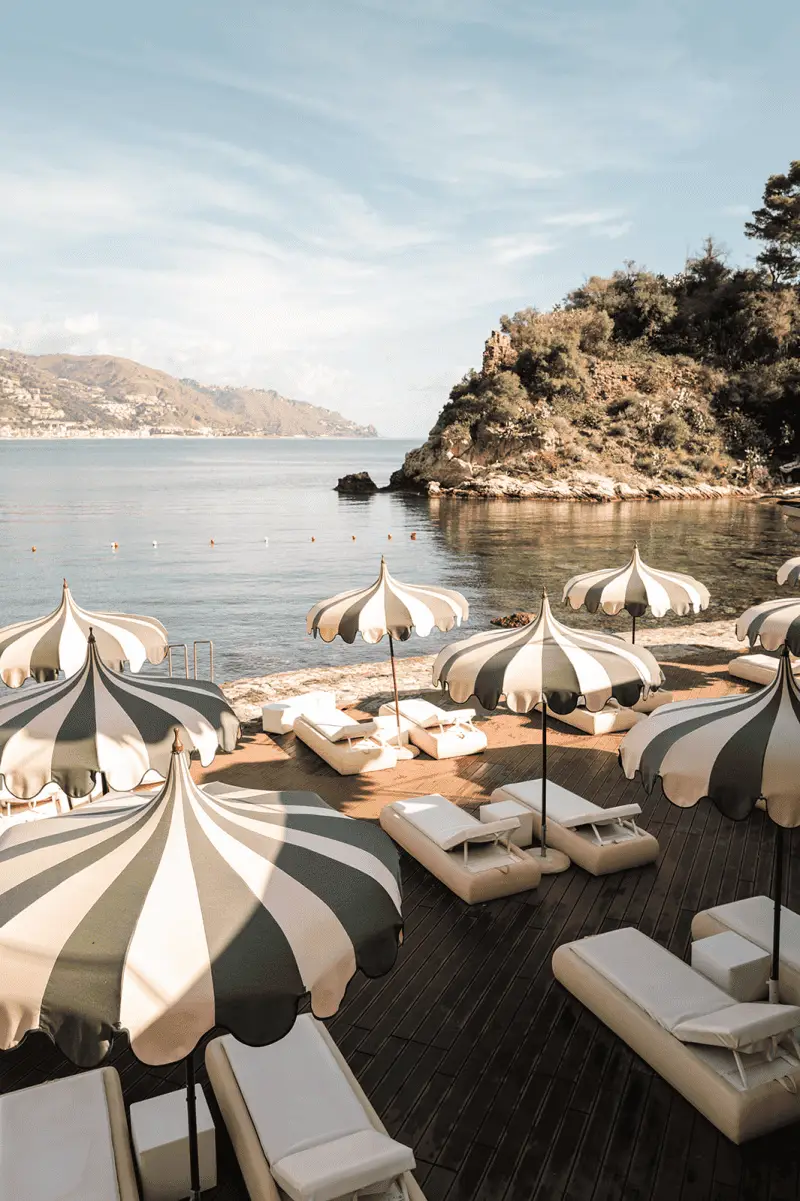
A destination wedding in Europe can transform your celebration into an unforgettable experience. Imagine exchanging vows inside a French château. Perhaps you dream of an Italian villa overlooking Lake Como. You could also celebrate among Provence vineyards or inside an elegant Parisian palace.
Europe offers history, architecture, gastronomy, culture, and some of the world's most extraordinary wedding venues. However, planning a wedding abroad requires much more than finding a beautiful location.
You need to consider travel, accommodation, vendors, legal requirements, logistics, payments, and the guest experience.
Therefore, careful planning is essential. This guide explains how to plan a destination wedding in Europe, from choosing your destination to welcoming your guests.
It also explores destination weddings in France and Italy, two of Europe's most iconic choices.
Why Should You Consider Having a Destination Wedding in Europe?
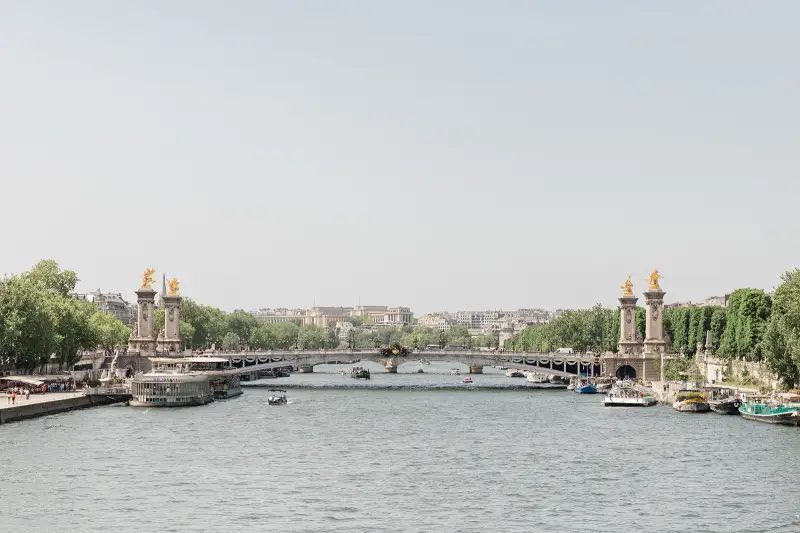
Europe offers an extraordinary variety of settings within a relatively small geographical area. However, its appeal goes far beyond beautiful landscapes.
A European destination wedding can become a complete travel experience for you and your guests. Instead of gathering for one evening, everyone can spend several meaningful days together.
- Read more: Wedding in Europe: why you should do it?
- Read more: How to plan a luxury wedding in Europe?
You might start with a welcome dinner. Then, guests could enjoy local experiences before attending your wedding. Finally, a relaxed brunch can bring everyone together before departure.
Therefore, your wedding becomes more than a ceremony and reception. It becomes a shared journey.
Diversity
Europe also offers exceptional diversity. France combines Parisian elegance, historic châteaux, Mediterranean landscapes, and the relaxed atmosphere of Provence. Meanwhile, Italy offers Tuscan villas, Mediterranean islands, historic palazzi, dramatic coastlines, and beautiful lakes.
Every region provides a different atmosphere. Therefore, your destination can genuinely reflect your personality and wedding vision.
What Are the Best Times of the Year to Get Married in Europe?

There is no single perfect wedding season across Europe. The best month depends on your chosen country and region.
However, May, June, September, and early October are particularly attractive in France and Italy. Temperatures are often comfortable during these periods. Moreover, outdoor celebrations can be easier to plan.
July and August can also offer beautiful weather. However, popular European destinations become significantly busier during summer. Temperatures can also become intense in France and Italy.Therefore, guest comfort should influence your decision.
Spring offers another beautiful possibility. Gardens bloom, landscapes become greener, and temperatures can feel pleasant.
Meanwhile, autumn creates a warmer and more atmospheric setting. Vineyards, countryside estates, and historic properties can feel especially romantic during this season.
Winter should not automatically be dismissed. A glamorous Paris wedding can work beautifully during winter. Historic hotels and candlelit ballrooms can create an entirely different atmosphere.
How much does a destination wedding in Europe cost
The cost of a destination wedding in Europe can vary significantly depending on the country, venue, number of guests, season, and level of personalization. As a reference, an intimate wedding in Paris for up to 10 guests may start at around €20,000, while larger luxury celebrations often begin at approximately €40,000 and can easily exceed €100,000. Venue rental alone can range from €10,000 to €50,000 or more, while high-end catering may cost between €190 and €630+ per guest. Photography and videography, floral design, entertainment, stationery, transportation, and accommodation should also be considered when establishing the overall budget.
- Read more: How much does a wedding cost in Paris?
Seasonality can also have a considerable impact. From May through September—the peak wedding season in Europe—wedding-related costs may increase by around 10–20%, with hotel prices potentially rising by 20–30%. Beyond the wedding day itself, couples planning a destination celebration may also choose to include a welcome dinner, rehearsal event, farewell brunch, wine tasting, or other curated experiences for their guests, turning the occasion into a multi-day European experience.
Professional planning should therefore be considered part of the overall investment, particularly when organizing a wedding from another country. Cassia Thomas Weddings’ full-service destination wedding planning starts from €12,000 for weddings of up to 120 guests and includes support with venue selection, timelines, suppliers, guest management, accommodation and transportation coordination, surrounding events, and wedding-day execution. Rather than relying on a single average figure, the best approach is to build a realistic budget around your guest count, destination, priorities, and the experience you want to create.
Your Destination Wedding Timeline: What to Book and When
Planning early gives you more options. This becomes especially important for sought-after venues and wedding professionals.
Ideally, begin planning your European destination wedding around 12 to 18 months before your preferred date.
12-18 months
Your first decisions should include your budget, destination, guest estimate, and wedding planner. Next, begin searching for venues.
12-9 months
Once your venue is secured, confirm your most important vendors. Photographers, videographers, entertainment, and creative professionals can book well in advance.
Around nine to twelve months before, focus on the broader guest experience.
Consider accommodation, transportation, welcome events, and your wedding website.
You can also send your save-the-dates during this period.
6-9 months
Around six to nine months before, develop the design and guest logistics.
Menus, flowers, rentals, stationery, and entertainment details can now take shape.
2-3 months
During the final months, confirm RSVPs and transportation arrangements.
You should also finalize timelines, seating plans, menus, and guest communication.
1 month
Finally, your planner should coordinate every vendor before your arrival.
This preparation allows you to enjoy your destination instead of managing last-minute details.
Best European Wedding Destinations: How to Choose?

The best European wedding destination is not necessarily the most famous one. Instead, it should match your priorities. First, consider the experience you want to create. Do you imagine a sophisticated city celebration? Paris could be ideal.
Would you prefer countryside elegance? Provence or Tuscany might offer exactly that atmosphere. Perhaps your dream involves dramatic water views. Lake Como or Sicily coast could be stronger choices.
Next, consider accessibility. Your guests need to reach the destination comfortably. Therefore, airports, transfers, accommodation, and local transportation matter.
Guest count is equally important. A beautiful intimate villa may not work for 150 guests. Conversely, a large hotel could feel unnecessary for a celebration of 30 people.
Finally, consider your budget. Venue prices are only one part of the investment. Transportation, accommodation, production, rentals, and vendor travel can also affect costs. A wedding planner can compare destinations beyond their visual appeal. That perspective helps you make a more informed decision.
How to Plan a Destination Wedding in Italy

Italy remains one of the world's most celebrated destination wedding locations. However, each Italian region creates a completely different experience. Tuscany offers vineyards, countryside estates, and historic villas. Lake Como combines dramatic landscapes with sophisticated lakeside properties. The Amalfi Coast offers Mediterranean scenery and remarkable coastal venues. Sicily combines architecture, gastronomy, history, and authentic Mediterranean culture. Rome offers historic grandeur and the energy of a major European city.
Therefore, start by deciding what version of Italy represents your celebration. Next, consider accessibility and accommodation. Then, evaluate your guest count and preferred wedding style. Finally, hire professionals who understand your chosen region. Local knowledge becomes particularly important in Italy. Different municipalities, venues, and suppliers can operate differently.
For a deeper look, explore our Complete Guide to Planning a Destination Wedding in Italy.
How to Plan a Destination Wedding in France

France offers another extraordinary range of destination wedding experiences. Paris is ideal for couples seeking architecture, gastronomy, fashion, and sophisticated hospitality. The city also offers exceptional hotels, historic properties, and private event spaces.
Meanwhile, the French countryside provides a completely different atmosphere. Historic châteaux near Paris can host romantic celebrations surrounded by gardens and elegant interiors.
Further south, Provence offers vineyards, olive trees, historic estates, and beautiful countryside. The French Riviera creates yet another experience. Here, Mediterranean landscapes meet iconic hotels and glamorous coastal venues.
Therefore, planning a wedding in France begins with defining the experience you want. From there, your planner can identify suitable venues and build the right local team.
If Paris is your dream, discover our Complete Guide to Planning a Wedding in Paris.
What's Included in a Destination Wedding?
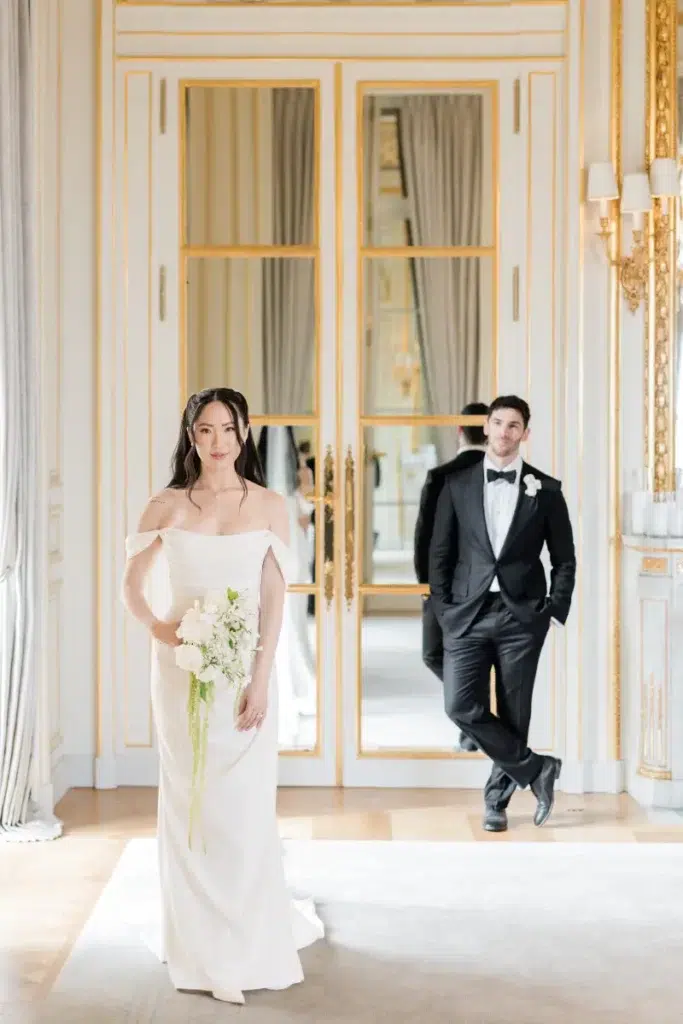
Every destination wedding is different. However, the experience often extends beyond the wedding day. Many celebrations begin with a welcome event.
This could be an elegant dinner, cocktail reception, or relaxed local experience. The wedding day then becomes the central event. Finally, couples may organize a brunch, pool gathering, or farewell lunch.
- Read more: Paris Destination Wedding: 4-Day Itinerary
Some weddings also include wine tastings, boat trips, cultural tours, or private dinners. Therefore, think about the entire journey.
Your guests have travelled a long way to celebrate with you. Creating thoughtful experiences makes that journey feel worthwhile.
The Legal Reality: Civil Ceremony vs. Symbolic Ceremony

Legal requirements are an important consideration when planning a destination wedding in Europe. However, France and Italy have very different systems.
- Read more: How to Plan a Symbolic Wedding Ceremony
Civil weddings in France
France has specific requirements for civil marriages. Generally, couples cannot simply arrive in France and legally marry at their chosen destination.
A qualifying connection with the municipality is normally required. Consequently, many international couples cannot hold their legal civil marriage in France.
Instead, they legally marry in their home country. They then celebrate with a symbolic wedding ceremony in France.
For many couples, this arrangement actually provides greater creative freedom. Your symbolic ceremony can take place at a château, hotel, garden, or private property. Moreover, it can be completely personalized.
Civil weddings in Italy
Italy offers different possibilities. International couples can legally marry in Italy when they meet the required procedures. However, documentation depends on nationality and local requirements.
- Read more: Civil Wedding in Italy: What to Know
The municipality also plays an important role. Therefore, legal planning should begin well before the wedding.
Civil ceremonies can take place in town halls and approved locations. Some villas, castles, gardens, and historic properties are also authorized for civil ceremonies.
Alternatively, couples can legally marry at home. They can then have a symbolic wedding ceremony in Italy.
This approach can simplify administration while preserving the emotional experience.
Hiring a Destination Wedding Planner in Europe

A destination wedding planner becomes your connection between home and your wedding destination. That role goes far beyond recommending beautiful venues.
Your planner understands the local wedding industry. They can also identify reliable vendors and anticipate logistical challenges.
- Read more: 10 Questions to Ask Your Destination Wedding Planner
- Read more: Wedding Planner Consultation: What to Expect
- Read more: Best Wedding Planner in Paris: How to Choose
Moreover, they communicate with professionals while you are living in another country. A planner can help with budgeting, contracts, scheduling, venue selection, and vendor management.
They can also coordinate transportation and guest logistics. Most importantly, someone is physically connected to the destination. That presence becomes invaluable when unexpected situations arise.
How Do I Know if a Destination Wedding Planner Is Right for Me?
Ask yourself how much you want to manage personally:
- Are you comfortable negotiating contracts in another country?
- Can you coordinate several vendors across different time zones?
- Do you understand local wedding customs and working practices?
- Can you visit venues whenever necessary?
- Would you enjoy managing guest transportation and accommodation questions?
If these responsibilities already sound overwhelming, professional support can make a significant difference. A planner is particularly valuable when your wedding includes several events. For example, you may have a welcome dinner, wedding day, activities, and farewell brunch.More events create more logistics. Therefore, professional coordination becomes increasingly important.
How Do I Hire Wedding Vendors in Europe?
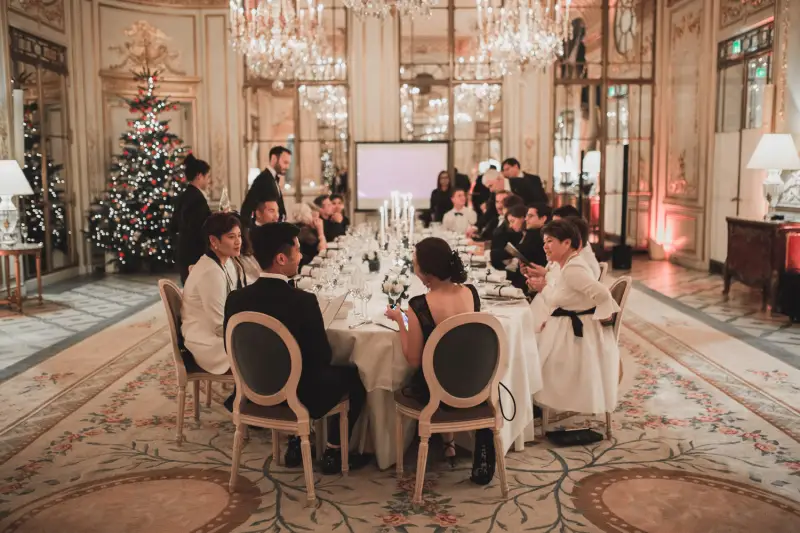
Hiring vendors from abroad can feel challenging. After all, you may never meet them personally before signing a contract. This is another area where local expertise becomes valuable. An experienced wedding planner already understands the market.
They know which professionals deliver consistently. They also know which vendors fit different styles and budgets. Your planner can recommend photographers, florists, caterers, musicians, designers, and production teams.
Moreover, they can review how each professional fits your overall wedding vision. This approach creates a cohesive team. It also reduces the risks associated with hiring entirely through online research.
Do I Have to Visit the Wedding Venue Before Booking?
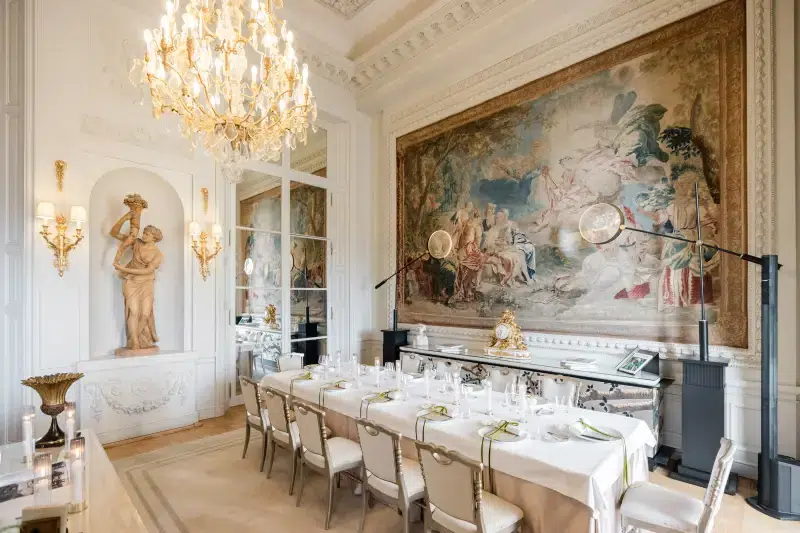
Not necessarily. Today, many destination weddings can begin through virtual venue tours and video meetings.
A planner can also visit properties on your behalf. They can assess details that photographs may not reveal. For example, guest flow can significantly affect your wedding. Noise restrictions and backup spaces can also change your plans. Accessibility is another important consideration. Therefore, professional venue inspections can be extremely useful.
Still, visiting Europe before your wedding can be valuable. You can combine venue visits with menu tastings and design meetings. However, a planning trip should make decisions easier. It should never become another source of pressure.
Wedding Venues in Europe With Accommodation

Choosing a wedding venue in Europe with accommodation can simplify the entire celebration. Guests remain close to the events. Transportation becomes easier. Moreover, everyone can spend more time together.
Villas in Italy
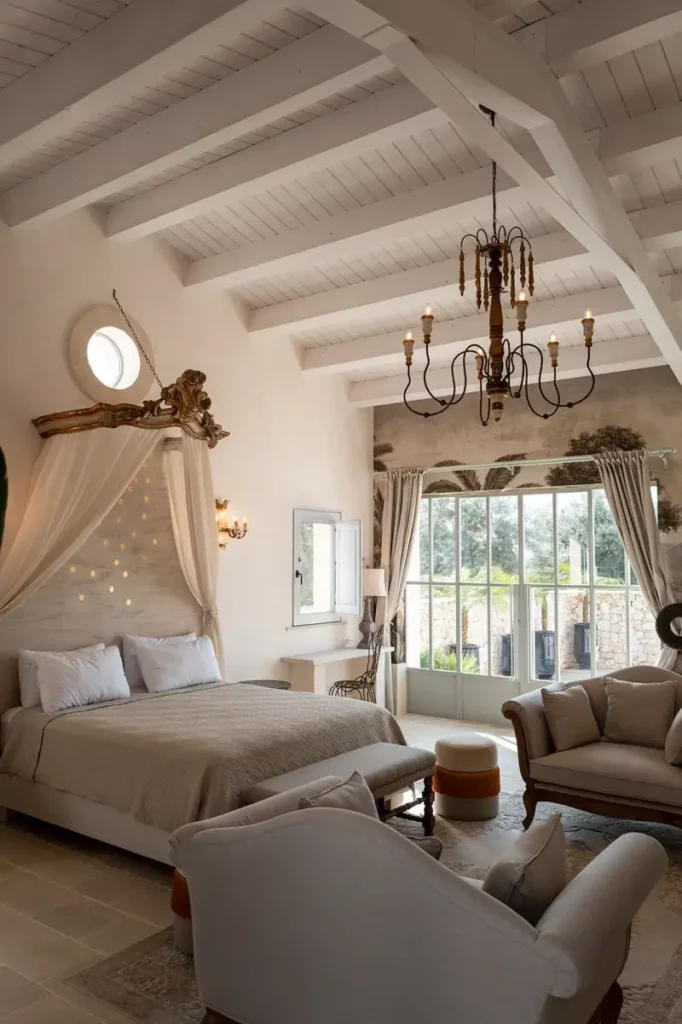
Italian villas are particularly attractive for destination weddings. Many combine accommodation, gardens, terraces, and event spaces within one property. Tuscany offers beautiful countryside estates. Lake Como provides sophisticated lakeside villas. Meanwhile, Sicily offers historic properties with distinctive Mediterranean character. A villa can create the feeling of a private wedding retreat.
- Read more: How to Plan a Destination Wedding in Sicily
- Read more: How to Create a Traditional Sicilian Wedding
- Read more: Destination Wedding in Palermo: Complete Guide
Châteaux in France
A château wedding offers another immersive experience. Many French châteaux provide accommodation for the couple and selected guests. Some also offer several spaces for different events. You could host welcome drinks in the garden.
- Read more: 7 Best Château Wedding Venues Near Paris
Then, celebrate your wedding inside a historic salon or outdoors. Finally, guests can gather for brunch the following morning.
Explore our selection of château wedding venues near Paris for inspiration.
Wedding venues in Provence
Provence is ideal for couples seeking relaxed elegance. The region offers domaines, bastides, vineyards, and historic estates. Some properties also provide accommodation. Therefore, your guests can experience Provence throughout the wedding weekend.
- Read more: Top 10 luxury wedding venues in Provence
Discover our guide to the best wedding venues in Provence.
Luxury wedding hotels in Paris
Paris offers another convenient option. Luxury hotels combine accommodation, catering, service, and beautiful event spaces. They can also simplify logistics for international guests.
Many offer elegant ballrooms, historic salons, terraces, and exceptional suites. Guests can stay where the wedding takes place. Meanwhile, they still have Paris outside their door.
Explore our selection of Paris wedding venues to discover different possibilities.
- Read more: Top 3 Small Wedding Venues in Paris
- Read more: Best wedding venues in Paris
- Read more: Top Wedding Venues in France
How Do You Handle Distance, Time Zones, and International Payments?

Distance requires organization. However, it does not need to make planning stressful. First, establish clear communication routines with your planner.
Scheduled meetings can prevent endless message exchanges. Next, centralize contracts, invoices, budgets, and timelines. This keeps important information accessible.
- Read more: Destination Wedding Europe: 11 Expert Tips
International payments also require attention. Currency exchange rates and bank fees can affect your budget. Different vendors may request different payment methods. Therefore, track every payment carefully.
Your planner can also monitor supplier deadlines.This helps prevent missed payments caused by time zones or communication delays.
How to Manage Guests at a Destination Wedding
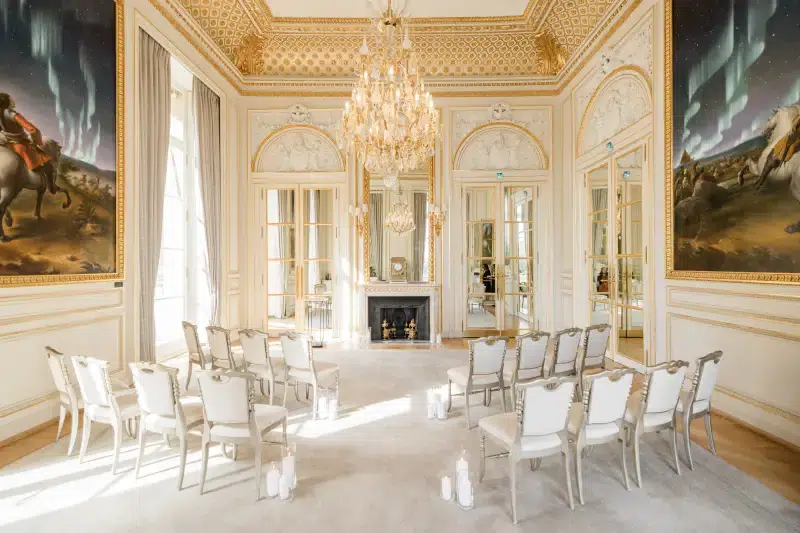
Guest management is one of the most underestimated parts of a destination wedding. Your guests need more information than they would for a local celebration.
Therefore, communication should begin early. Send a save-the-date before the formal invitation. This gives guests enough time to organize flights and accommodation.
Also, create a wedding website. Include travel information, recommended hotels, transportation, dress codes, and event schedules. You can also include local recommendations.
However, avoid overwhelming guests with constant updates. Create one reliable source of information instead. RSVP management also deserves attention.
Tracking dietary restrictions, transfers, accommodation, and attendance across several events can become complicated. Your planner can centralize these details.
They can also answer practical questions before guests arrive. As a result, you avoid becoming everyone's personal travel coordinator. More importantly, your guests feel cared for.
How to Manage Destination Wedding Logistics
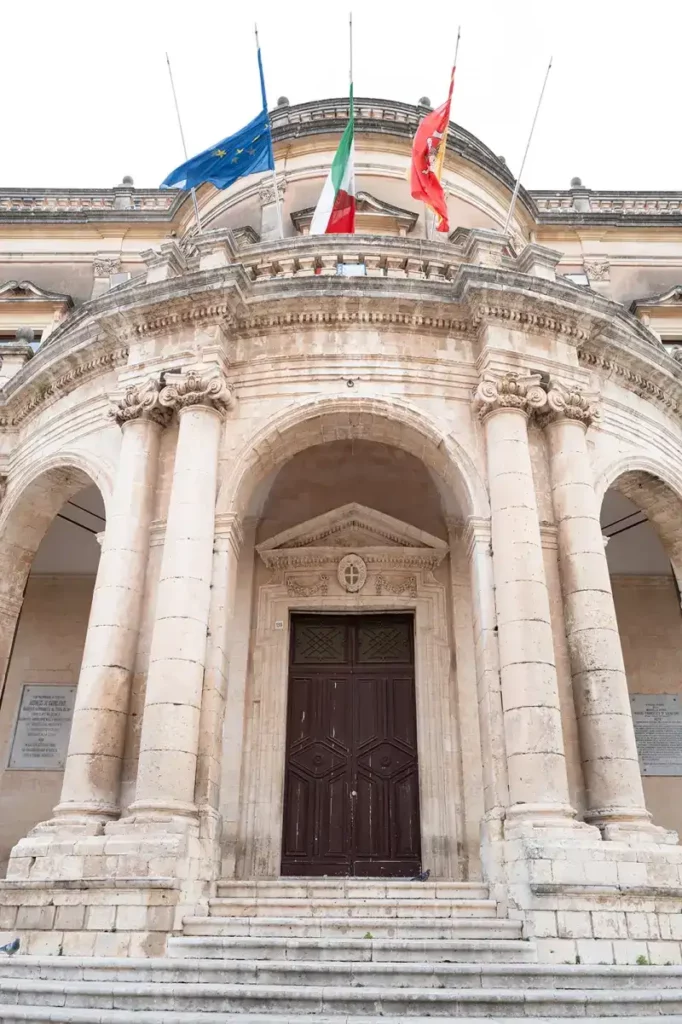
Logistics can determine how effortless your wedding feels. Unfortunately, they are also among the most complex planning elements.
This becomes especially true when guests and products are arriving from different countries.
How do you bring wedding items from abroad?
First, question whether those items actually need to travel. International transportation can involve baggage restrictions, customs, insurance, delays, and additional costs. Therefore, avoid transporting large quantities whenever possible.
Your planner can identify what is available locally. If something must travel, create a transportation plan early. Never leave essential wedding items entirely dependent on last-minute checked luggage.
What should you hire locally?
Whenever possible, source production elements locally. Furniture, flowers, tableware, lighting, sound equipment, and large décor pieces usually make sense locally.
Local professionals understand the venue and regional logistics. They also eliminate international transportation for many items.
However, some personal details can travel with you. These might include accessories, heirlooms, ceremony details, or personalized stationery. The final decision should consider cost, risk, and practical value.
How should you organize flights?
Couples generally should not manage every guest's flight. Instead, provide clear information. Tell guests which airports are most convenient. Explain transfer options and recommended arrival times.
You can also suggest preferred travel dates. For complex celebrations, consider working with a travel specialist.
Your planner can coordinate airport transfers and local transportation. However, guests should usually remain responsible for booking their own flights.
What Is the Wedding Planner's Role in Logistics?
Your wedding planner brings all the moving parts together. They manage vendor schedules, venue requirements, deliveries, transportation, setup, and timing. Clear communication with every supplier keeps details aligned and ensures the celebration runs seamlessly.
Meanwhile, you have one central point of contact. This becomes especially important during the wedding weekend. You should not be calling drivers while getting ready. Your family should not be checking whether flowers arrived.
Your guests should not need to contact you because their transfer is late. A strong planning team protects you from these operational details. Therefore, you remain present during your own celebration.
Destination Wedding Packages in Europe
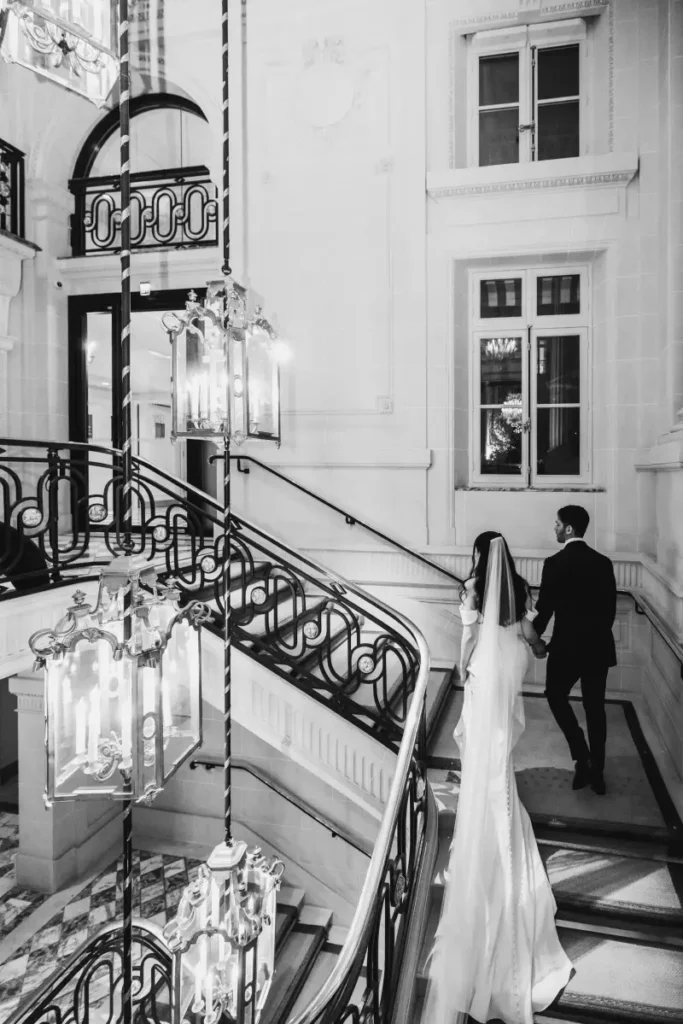
Couples often search for destination wedding packages in Europe hoping to simplify planning. Packages can work for certain celebrations.
However, not every destination wedding fits a predetermined format. A package may combine venue rental, catering, accommodation, and basic services. This can make initial budgeting easier.
Still, luxury destination weddings often require a more personalized approach. Your venue, guest count, design, entertainment, and hospitality needs may be completely unique.
Therefore, understand exactly what any package includes. Ask about accommodation, catering, rentals, coordination, transportation, taxes, and additional events. Most importantly, compare the package with your actual wedding vision.
Sometimes, bespoke planning creates a more coherent experience than selecting a fixed package.
Small Destination Wedding Packages in Europe
A smaller guest list does not necessarily mean a simpler wedding. However, it can create different opportunities. You may choose a private villa instead of a large hotel.
You could organize one exceptional dinner instead of a large traditional reception. Moreover, you can invest more deeply in each guest's experience.
For intimate celebrations, ask venues about minimum stays and minimum spending requirements. Also check accommodation capacity. Some properties work beautifully for 20 guests but cannot comfortably host 60. A planner can identify venues that fit your actual celebration. This prevents you from paying for spaces or services you do not need.
Frequent questions about Destination Weddings in Europe
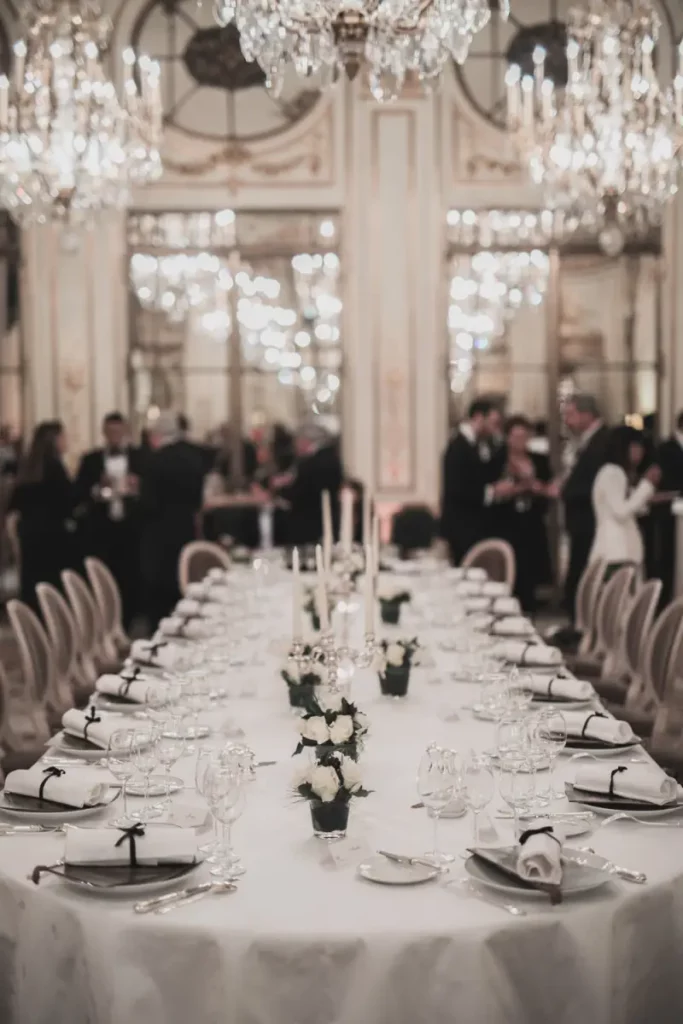
Yes, US citizens can get married in Europe, but legal requirements vary by country and may include residency rules and specific documentation. For simplicity, many couples legally marry in the US and hold a symbolic wedding ceremony in Europe.
The best European wedding destinations combine romance, character, and an extraordinary sense of place. Paris is perfect for timeless elegance and sophisticated city celebrations, French châteaux offer romantic settings surrounded by history and countryside, while Sicily brings together Mediterranean landscapes, historic villas, exceptional cuisine, and authentic Italian charm. Ultimately, the best destination depends on your preferred style, guest experience, season, and budget.
Usually, you do not need to register a foreign marriage with the U.S. federal government. A marriage legally performed abroad is generally recognized in the U.S., although recognition and documentation requirements can vary by state. It’s important to keep an official certified copy of your foreign marriage certificate, and you may need a translation or other authentication when using it for legal, immigration, tax, or name-change purposes.
A realistic budget for a luxury destination wedding in Europe typically starts around €40,000, with more elaborate celebrations often reaching €100,000 or more. The final investment depends on the destination, guest count, venue, season, design, catering, entertainment, and any additional events planned around the wedding.
Final Thoughts: How to Plan a Destination Wedding in Europe Without Feeling Overwhelmed

A destination wedding in Europe should feel exciting. However, the planning process includes many decisions. Start with your priorities. Choose the experience before choosing individual details.
Then, select a destination that reflects your vision. Create a realistic budget and timeline. Communicate with guests early. Most importantly, build a professional team you trust.
An experienced destination wedding planner in Europe can guide the entire process. They understand local venues, vendors, logistics, and cultural differences.They can also manage everything happening thousands of miles from your home.
Ultimately, true luxury is not simply choosing an extraordinary venue. It is being able to enjoy it. Your wedding should allow you to experience Europe alongside the people you love. With thoughtful planning, the journey can become as memorable as the wedding itself.
Ready to plan your destination wedding in Europe?

Planning a destination wedding in Europe? Cassia Thomas provides expert guidance throughout the entire journey, from finding a remarkable venue to coordinating every detail of the celebration. Fluent in Portuguese, French, and English, she bridges cultures with ease, connecting couples from around the world with trusted local vendors and exceptional creative partners.
Recognized as an Elite Wedding Planner by MSAcademy, Cassia approaches each wedding as a completely bespoke experience, shaped around the couple’s vision, personality, and story. Her attention to detail and refined aesthetic ensure that every element feels intentional and beautifully considered, creating a sophisticated Paris wedding that is as effortless as it is unforgettable.
Contact us:
+33 6 60 39 05 44