This year, we had a bride with celiac disease, which meant we needed to make careful adaptations to the wedding menu — especially the cake — so she could enjoy every part of her celebration without worrying about what was safe for her to eat. For Cassia Thomas, accommodating wedding dietary restrictions wasn’t simply about offering an alternative dish. It meant understanding the bride’s needs and making sure they were considered throughout the entire wedding experience.
“Our wedding cake was particularly important because I have celiac disease. It needed to be genuinely gluten-free and safe for me, not simply a regular cake with a small alternative on the side. I wanted to be able to eat my own wedding cake without worrying. Cassia understood immediately that this was a medical necessity, not a preference. She actually thought about it throughout our stay. Because our families were with us in Paris for the week, she prepared restaurant addresses where I could eat safely. I really appreciated that. It meant I could enjoy those lunches and dinners with everyone instead of constantly worrying about food.” — Jennifer Volvovitz.
Jennifer’s experience is a good reminder that dietary requirements for a wedding go far beyond choosing between meat, fish or a vegetarian option. Allergies, intolerances, celiac disease, religious restrictions and other dietary needs require advance planning — and, in some cases, careful attention to food preparation and cross-contact.
What are dietary restrictions?
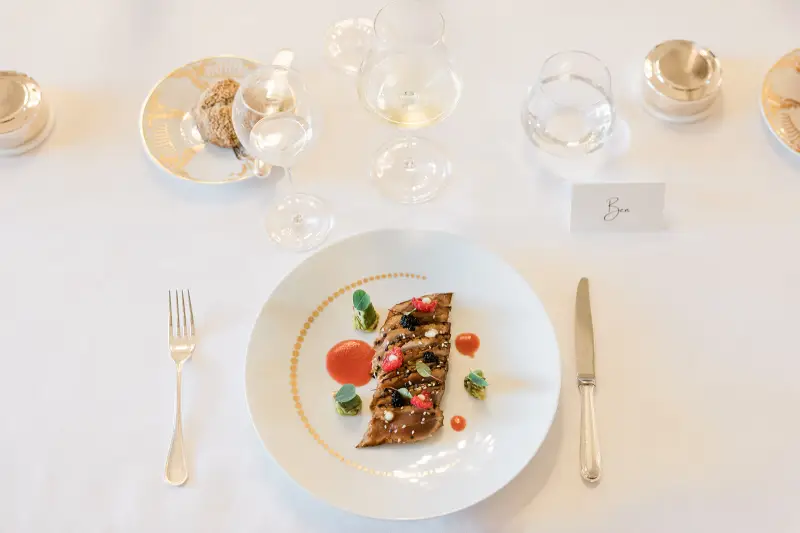
A dietary restriction can include food allergies, intolerances, medical requirements, religious restrictions and diets such as vegetarian, vegan or pescatarian.
There is, however, an important distinction between a dietary requirement and a personal preference. Not liking mushrooms is different from having a severe nut allergy. When gathering information, couples should ask not only what guests cannot eat, but also whether the restriction requires complete avoidance and separate preparation because of the risk of cross-contact.
Religious dietary restrictions can also affect ingredients, preparation methods and how food is served. Rather than making assumptions, ask guests to explain their requirements and then discuss them directly with the caterer.
Dietary Restrictions List: What Should Couples Ask About?
- Food allergies: nuts, peanuts, shellfish, fish, eggs, milk, soy, wheat and sesame.
- Celiac disease / gluten-free: requires avoiding gluten and, for people with celiac disease, careful prevention of cross-contact.
- Lactose intolerance / dairy-free.
- Vegetarian: no meat or fish.
- Vegan: no animal products.
- Pescatarian: no meat, but includes fish and seafood.
- Religious dietary restrictions: such as kosher or halal requirements
- Medical dietary requirements: individual restrictions related to a diagnosed health condition.
How to ask for dietary restrictions for a wedding

The easiest solution is to include dietary requirements question for the wedding as part of the RSVP.
When thinking about wedding dietary requirements wording, clarity is more useful than an overly elaborate question. For example:
“Do you have any food allergies or dietary requirements we should be aware of? Please let us know the details and severity below.”
Another option for RSVP dietary requirements wording is:
“Please list any allergies or special dietary requirements, including any ingredients that must be completely avoided.”
This wording helps couples distinguish between an alternative meal and situations in which food needs to be prepared separately.
For couples wondering how to ask about dietary restrictions without making the invitation feel too practical, the question does not necessarily need to appear on the formal invitation itself. It can be included on the RSVP card or wedding website.
Wedding invite dietary restrictions: where should you include the question?

There are several options for collecting wedding RSVP dietary restrictions. A dietary requirements card for the wedding can accompany a traditional invitation, while digital invitations can incorporate the question directly into the RSVP form.
If you are wondering how to ask for dietary requirements on an invite, keep it brief. Something as simple as “Please advise us of any dietary requirements” works when space is limited, with room for the guest to provide further details.
- Read more: Wedding Trends 2027: Top 9 Ideas
For online invitations, Evite dietary restrictions or other digital RSVP systems can be handled through a custom question or response field, depending on the platform being used.
The most important thing is to collect the information in one place rather than through scattered texts, emails, and conversations.
What if we forget to ask about dietary restrictions?
If invitations have already gone out without a dietary restrictions question for the wedding, there is no need to redesign or resend them.
Contact guests before the final catering deadline. A short message or email asking anyone with allergies or special dietary requirements to get in touch is enough.
If someone sends a dietary request by email, a reply to a dietary requirements email can be equally straightforward: thank them for letting you know, confirm that you will pass the information to the caterer, and ask for clarification if the severity of an allergy is unclear.
What if I’m a guest with dietary restrictions and the couple didn’t ask?
Tell them. Guests with allergies, celiac disease or another significant dietary requirement should not assume that the couple or venue will automatically know what they need.
Keep the message polite and specific, particularly if cross-contact is a concern. The couple can then speak to their wedding planner, venue or catering team about what can safely be provided.
- Read more: Inside the Groom’s Role in a Luxury Wedding
Giving advance notice is much easier for everyone than trying to find an appropriate meal during the reception.
Notify your wedding venue and caterer in advance

Collecting the information is only the first step. Notify your wedding venue and caterer in advance and give them a consolidated list of requirements well before final numbers are due.
For serious allergies and medical restrictions, ask practical questions. Can meals be prepared separately? How does the kitchen prevent cross-contact? How will servers identify the correct guest? Are sauces, garnishes and desserts also safe?
This is especially important with wedding menu dietary restrictions because an apparently suitable dish may contain an unexpected ingredient in a sauce, stock or garnish.
If many guests share similar requirements, it may also be worth considering cuisines that naturally offer a broader range of suitable dishes rather than creating numerous individual substitutions.
Think beyond the wedding dinner
For destination weddings in particular, dietary requirements for a wedding can apply across several days.
A guest might have a perfectly suitable main course at the reception but nothing they can eat at the welcome party or farewell brunch. Consider every food moment: canapés, cake, desserts, breakfast, late-night snacks and pool-party menus.
- Read more: How much does a wedding cost in Paris?
A DIY dessert table, for example, can offer variety, but couples should clearly identify allergens and ingredients and take precautions to prevent cross-contact. In some cases, a separate printed menu for guests with dietary requirements can make the experience more comfortable by showing them exactly what is available.
And when one element simply cannot safely accommodate everyone, providing an individual alternative — even a thoughtfully prepared bag of snacks in place of a wedding favor — is better than leaving a guest without an option.
Don’t forget the drinks
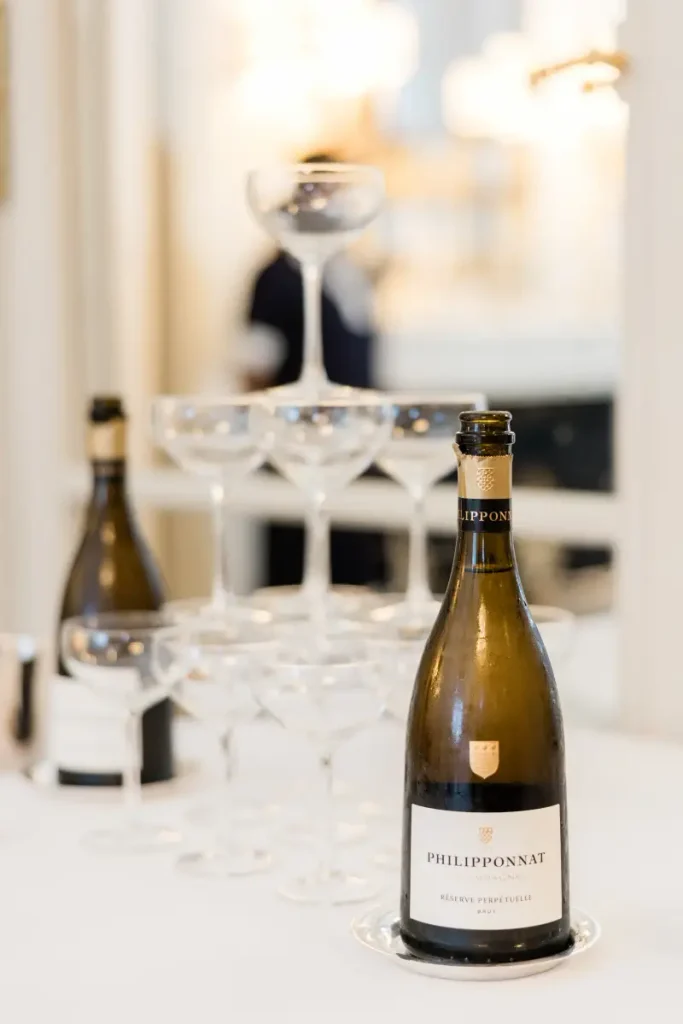
Dietary planning shouldn't stop at food. Drinks may also contain ingredients that guests need to avoid.
Cocktails can include dairy, egg whites or other allergens, while some guests may have requirements that affect which alcoholic or non-alcoholic drinks they consume. The bar team should therefore receive relevant information too.
Offering thoughtful alcohol-free options is also a good way to make sure guests who do not drink alcohol have something more celebratory than water or soda.
FAQ: Wedding Dietary Restrictions
Ideally, couples should have all dietary requirements confirmed before the caterer’s final guest-count deadline. This gives the kitchen enough time to adapt dishes, source ingredients and organize special meals safely.
Yes. Clearly identifying dishes that contain common allergens or are gluten-free, vegan or vegetarian can help guests navigate the menu more confidently. For serious allergies, guests should still speak directly with the catering team.
Most experienced wedding caterers can accommodate several requirements, but couples should discuss them early. More complex allergies or medical needs may require separate preparation or specific ingredients.
Buffets require extra attention because serving utensils and shared dishes can create cross-contact. Guests with severe allergies or celiac disease may need individually prepared meals instead.
Yes. Couples should also ask photographers, planners, musicians, and other professionals receiving vendor meals about their allergies and dietary requirements.
Inform the venue or caterer immediately rather than trying to solve it yourself. Depending on the restriction and kitchen setup, the catering team can prepare a suitable dish or suggest an appropriate alternative.
Wedding food restrictions are ultimately about hospitality
Accommodating dietary restrictions at weddings does not mean creating an entirely different menu for every guest. It means gathering accurate information, understanding which needs involve safety, communicating with the professionals responsible for the food, and making sure alternatives are genuinely enjoyable.
Jennifer's experience also demonstrates why this can matter even more at a destination wedding. Thoughtful planning isn't only about what appears on the plate during the reception. It's about allowing a couple and their guests to experience the entire celebration — from a family lunch in Paris to the wedding cake — without food becoming a source of worry.
And sometimes the smallest details are the ones that make guests feel most cared for.
Planning a Wedding Where Every Guest Feels Considered

Imagining your wedding in Italy or France? Cassia Thomas is a renowned destination wedding planner known for creating bespoke celebrations in Paris, French châteaux, Sicily, and across Italy. From design and logistics to important details such as wedding dietary restrictions, allergies, and special menu requirements, every aspect is carefully considered to ensure couples and their guests feel looked after throughout the celebration. Working with prestigious venues and trusted vendors, Cassia combines refined elegance, cultural awareness, and meticulous coordination to create seamless destination weddings tailored to each couple’s needs.
Contact Cassia Thomas now:
E-mail: inquiries@cassiathomas.com
Phone: +33 6 60 39 05 44