
Overall, planning LGBTQ+ weddings involves celebrating love and identity while navigating unique challenges and embracing the freedom to redefine traditions and create meaningful experiences. This article serves as a guide to planning your same-sex wedding in Europe. Check out our tips!
Common questions about LGBTQ+ weddings

As of February 2024, twenty-one European nations have legalized and conduct same-sex marriages: Andorra, Austria, Belgium, Denmark, Estonia, Finland, France, Germany, Greece, Iceland, Ireland, Luxembourg, Malta, the Netherlands, Norway, Portugal, Slovenia, Spain, Sweden, Switzerland, and the United Kingdom.
A queer wedding typically refers to a wedding ceremony and celebration involving individuals who identify as queer, which is an umbrella term encompassing various sexual orientations and gender identities that are not heterosexual or cisgender. Queer weddings often reflect the unique identities and experiences of the couple, embracing non-traditional elements, personal expressions of gender and sexuality, and diverse cultural influences. These weddings may include rituals, attire choices, and ceremonies that challenge or expand upon traditional heterosexual wedding norms, celebrating the love and commitment of LGBTQ+ individuals in ways that affirm their identities and relationships.
Firstly, you can talk to other couples to get recommendations. Additionally, seek references from blogs and magazines focused on same-sex weddings. Finding an LGBTQ+ friendly wedding planner, such as Cassia Thomas, can also streamline this process for you.
Same-sex couples have been legally allowed to marry in various countries at different times. The Netherlands was the first country to legalize same-sex marriage in 2001. Belgium followed in 2003, then Canada in 2005. Several other countries, including Spain, South Africa, Norway, Sweden, Portugal, Iceland, Argentina, and New Zealand, legalized same-sex marriage in the following years. In the United States, same-sex marriage was legalized nationwide in 2015 following a landmark Supreme Court decision. Since then, many other countries and jurisdictions have also legalized same-sex marriage, reflecting evolving attitudes towards LGBTQ+ rights and marriage equality globally.
LGBTQ+ weddings abroad

Each country in Europe has its own regulations concerning same-sex weddings. As an international wedding planner, I can provide information about the countries we specialize in:
LGBTQ+ weddings in France
Same-sex marriage has been legally recognized in France since 2013. According to Le Monde, it was the 14th country to legalize marriage for same-sex couples. These unions constitute approximately 3% of all civil marriages conducted over the past decade, a proportion that has remained steady since the law was passed. In 2022, 10,000 same-sex couples entered into civil unions. This information comes from the Institut National de la Statistique et des Études Économiques (INSEE). However, please note that if both fiancés are foreigners, they are only permitted to have a symbolic ceremony in France.
Read more: Paris wedding venues: top 11 luxury places to get married
LGBTQ+ weddings in Italy
Same-sex marriage is not currently legally recognized in Italy. However, since 2016, same-sex couples have been able to enter into legally recognized civil unions, which provide many of the rights and protections associated with marriage. Italy was one of the last Western European countries to introduce legal recognition for same-sex couples.
For international LGBTQ+ couples dreaming of celebrating their love in Italy, a symbolic wedding ceremony is a beautiful and popular option. While a symbolic ceremony does not have legal validity, it allows couples to create a completely personalized celebration in some of Italy’s most romantic settings—from historic villas and countryside estates to the shores of Lake Como, Tuscany, the Amalfi Coast, and beyond.
Couples wishing to formalize their relationship legally should verify the requirements applicable to their nationality and country of residence, as Italian civil unions and their recognition abroad can involve specific legal procedures.
- Read more: Destination Wedding in Italy: Complete Guide
- Read more: Civil Wedding in Italy: What to Know
- Read more: How to Plan a Destination Wedding in Sicily
LGBTQ+ wedding planning
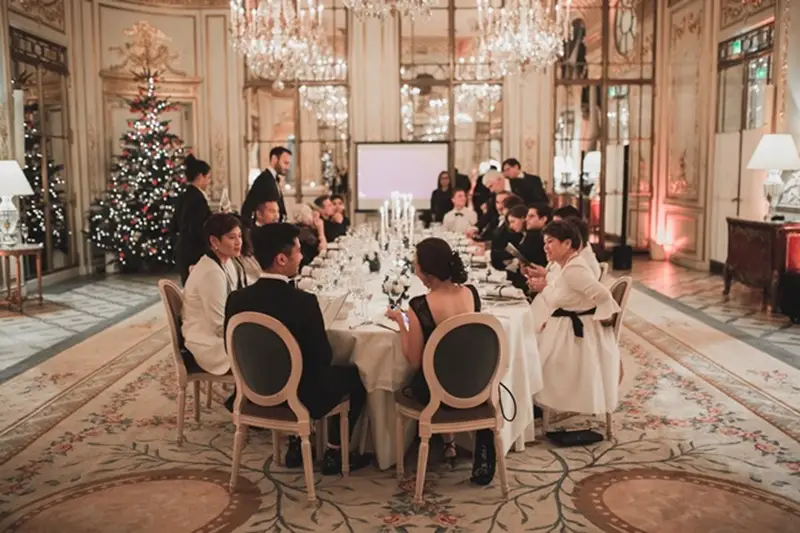
Planning an LGBTQ+ wedding can be both similar to and different from planning any other type of wedding. Here are some aspects that can make planning an LGBTQ+ wedding unique:
- Personalization and Creativity: LGBTQ+ weddings often involve creating unique traditions and personalizing the ceremony to reflect the couple's identities and relationship. This can include choosing non-traditional wedding attire, designing custom ceremonies, and selecting meaningful rituals.
- Navigating Family Dynamics: LGBTQ+ couples may face challenges related to family acceptance and involvement. Some couples may need to manage differing levels of support from relatives or navigate complex family dynamics, particularly if there is resistance to or misunderstanding of their relationship.
- Legal Considerations: Depending on the location, legal aspects such as marriage equality, rights, and protections may vary. Couples may need to consider the legal implications of their marriage and ensure they have access to the same rights and benefits as heterosexual couples.
- Community and Support: LGBTQ+ couples often find support and resources within the LGBTQ+ community, including LGBTQ+-friendly vendors, venues, and wedding planners who understand their needs and preferences.
- Celebrating Identity: LGBTQ+ weddings are often seen as celebrations of identity and love within a broader cultural and social context. They can serve as important milestones in the journey towards greater visibility and acceptance of LGBTQ+ relationships.
Same-sex Marriage Proposal in Europe
Proposals among gay and lesbian couples share similarities with heterosexual proposals but also have unique differences. One common question is: who pops the question? The answer varies! Some couples opt for a double proposal, where both partners ask the question – sometimes planned, sometimes a surprise. Others prefer the element of surprise with one partner proposing.
In Europe, there are stunning venues and landscapes perfect for such occasions:
- In a lavender field in Provence, France.
- At top-tier restaurants in France boasting Michelin Stars.
- In a vineyard in France or Italy.
Interested in planning a memorable proposal? Let's discuss and discover the most enchanting location for your special moment.
Inclusive LGBTQ+ wedding vendors
Finding LGBTQ+ friendly vendors can be one of the biggest challenges you'll face. Unfortunately, there have been cases reported in the press of lawsuits from same-sex couples who encountered prejudice from wedding vendors. To ensure a smooth experience for you and your partner, consider hiring an LGBTQ+ friendly wedding planner such as Cassia Thomas. They can connect you with vendors who support your cause and will help create a beautiful celebration for your special day.
Read more: Wedding planner in Paris: how to find the best professional?
Pronouns and terms
If you are an LGBTQ+ friendly vendor, ensure that your overall communication (website, social media, contracts, etc.) is inclusive, using appropriate pronouns. The days of exclusively addressing the bride are long gone!
For the couple, it is important to discuss your pronoun and term preferences with the officiant of your wedding ceremony. Some people use "spouse," while others prefer "partner." It is up to you to decide the best way to be referred to as a couple.
LGBTQ+ wedding venues
Most European wedding venues are adapting themselves to host same-sex weddings. However, like any other vendor for your wedding, having the assistance of a skilled wedding planner can make this process much smoother. If you're interested in learning more about LGBTQ+ friendly venues in Europe, feel free to contact me, and we can guide you through the options.
Ceremony and vows
Most LGBTQ+ couples typically opt for either a symbolic or civil ceremony. However, if religion holds significance for you, there are ways to incorporate it into your plans. Some religions are more accepting of LGBTQ+ individuals than others, and even within the most traditional faiths, there may be specific places or officiants with a more contemporary view on marriage.
You can also personalize religious elements or texts. Religious words can be adapted to fit situations beyond their original meaning, so consider writing your own vows and incorporating meaningful religious sentiments.
If you are not religious, you can still include special traditions in your ceremony, such as handfasting, sand pouring, a unity candle ceremony, ring warming, or jumping the broom.
Lastly, don’t forget to write beautiful vows to make your ceremony even more special and to express the love you have for your partner.
Attire: what should we wear in our LGBTQ+ wedding?
There are no strict rules—it's all about following your personal style and what makes you feel comfortable. In the wedding industry, we've seen everything: suit-and-gown combos, jumpsuits, double tuxes, or double gowns. The key is to ensure it matches the overall setting, whether it's a laid-back, outdoor wedding or a traditional, classic celebration.
Getting ready moment
The great thing about an LGBTQ+ wedding is that you can create your own rules and traditions. If you and your partner want to get ready together and share that moment, that's totally fine. If you prefer to make it a surprise, just like in traditional weddings, that's okay too. Alternatively, you can have a first look before the ceremony. The choice is entirely yours!
Wedding procession
When it comes to the wedding processional order, there are many options available for same-sex weddings:
- The couple can walk down the aisle together.
- They can enter at the same time, from different aisles, escorted by a relative, then meet at some point to walk down the aisle together.
- Each can be escorted by their relatives, with one entering first and waiting at the altar.
Guest list: should I invite unsupportive relatives?
This is a personal matter and, unfortunately, quite common. Nowadays, it is important not to feel pressured to invite someone who doesn’t support same-sex weddings—this person likely wouldn’t attend anyway. However, if this person is close to you, such as a parent or sibling, it is worth giving it more thought and considering the situation carefully. Discuss it with your partner to make a respectful decision.
LGBTQ+ friendly wedding planner in Paris and Europe
Cassia Thomas is an LGBTQ+ friendly wedding planner based in Paris, creating unforgettable celebrations across Paris, enchanting French castles, Italy, and Sicily. Fluent in French, English, and Portuguese, Cassia ensures seamless communication with local vendors. As a certified Elite Wedding Planner from MSAcademy, she is wholeheartedly committed to creating bespoke and unforgettable wedding experiences.
Contact the wedding planner Cassia Thomas:
Phone: +33 6 60 39 05 44
inquiries@cassiathomas.com