Wedding Rings: The new language of emotional luxury
Wedding rings and wedding bands are far more than symbolic jewelry. They are intimate objects of commitment, daily witnesses to a shared life, and powerful expressions of identity, culture, and emotion. In a modern approach to marriage, choosing a wedding ring is no longer about following tradition or trends, but about selecting a piece that reflects who you are as a couple — timeless, personal, and deeply meaningful.
Frequent Questions About Wedding Rings
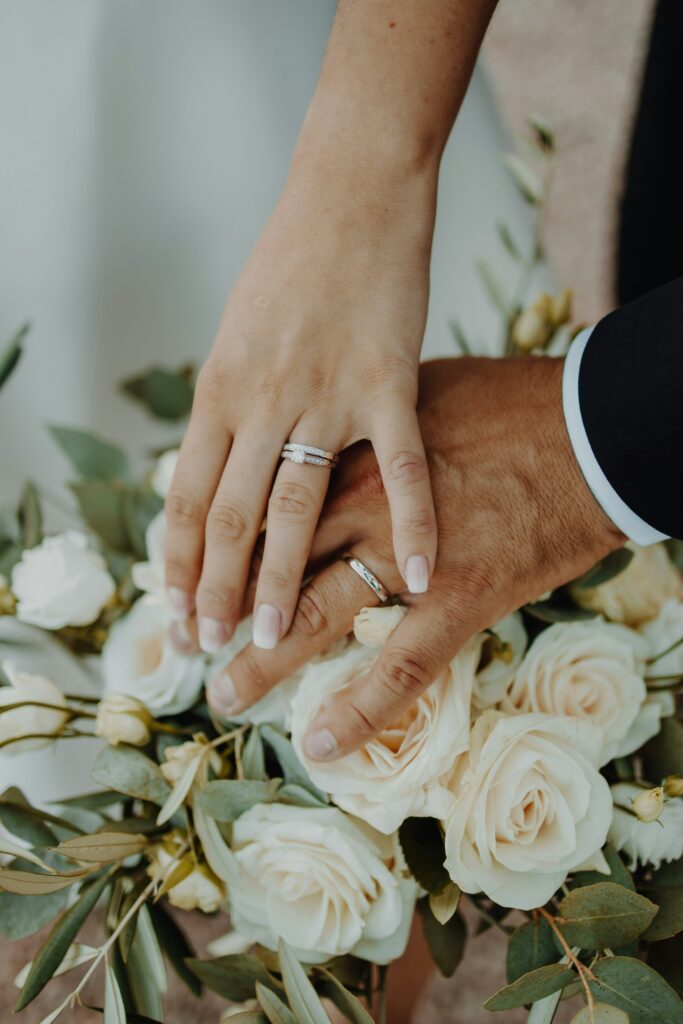
Wedding bands are most commonly referred to as wedding bands or wedding rings, with “bands” often used as a casual shorthand. More specific terms include his and hers wedding bands, classic or plain wedding bands, and eternity bands, which in some traditions are also worn as wedding rings. Regardless of terminology, the essence remains the same: a symbol of union meant to last a lifetime.
The so-called 3-month rule suggests spending three months of salary on an engagement ring — a concept popularized by the diamond industry in the 20th century. Today, most couples see this guideline as optional. In a modern approach to luxury, the true value of a wedding ring lies not in its price, but in its meaning, intention, and emotional resonance.
A wedding band traditionally refers to a simple, unadorned ring, often crafted in gold, platinum, or another precious metal. A wedding ring, however, is a broader term that can include rings set with diamonds or gemstones. In everyday language, the two expressions are often used interchangeably, reflecting evolving traditions and personal choices.
Yes — there is no universal rule. Some people choose to wear a wedding ring before marriage for personal, cultural, or symbolic reasons. In many traditions, however, the ring is first worn after the ceremony, marking the formal beginning of married life. Ultimately, wearing a wedding ring is an intimate decision guided by meaning rather than convention.
What Are Wedding Rings?
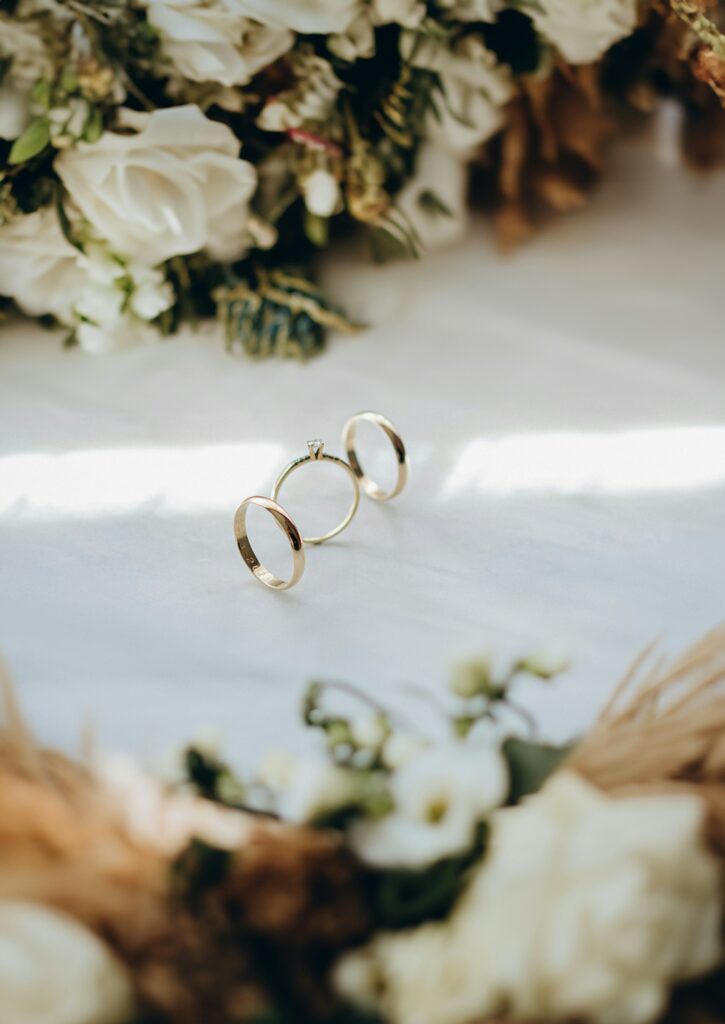
Wedding rings are symbolic rings exchanged during a marriage ceremony to represent love, commitment, and partnership. Worn daily, they become a visible and deeply personal sign of the union — an object that accompanies the couple through time, change, and shared experience.
Engagement Ring vs. Wedding Ring
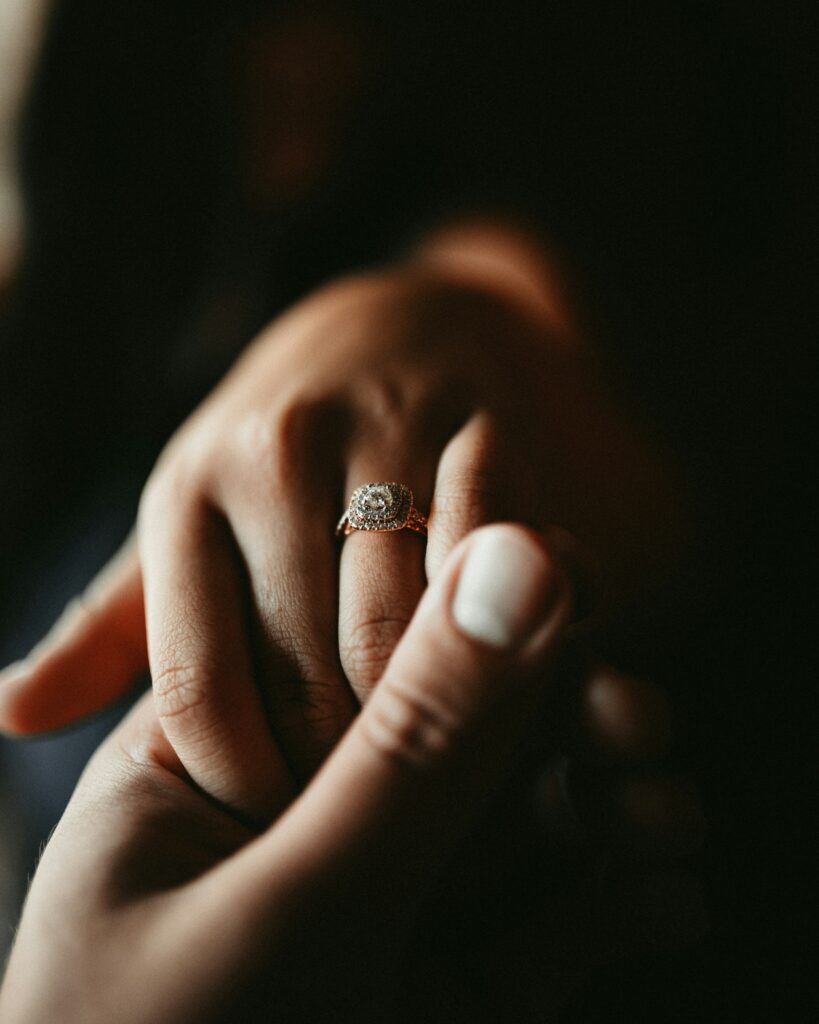
An engagement ring is traditionally given during a proposal to symbolize the intention to marry, often featuring a central diamond or gemstone. A wedding ring or wedding band is exchanged during the wedding ceremony itself and represents the marriage. While the engagement ring marks a promise, the wedding ring seals the commitment.
Wedding Rings Set
A wedding rings set usually includes a coordinated engagement ring and wedding band, designed to be worn together. These sets may feature matching metals, complementary shapes, or aligned diamond settings, creating a harmonious visual story that reflects the transition from engagement to marriage.
Gold Wedding Rings
Gold wedding rings remain timeless symbols of marriage. Available in yellow, white, and rose gold, they offer different expressions of elegance — from classic warmth to modern refinement. Gold wedding bands can be minimal or adorned with diamonds, textures, or engravings, making them versatile and enduring choices.
What Are Wedding Bands?
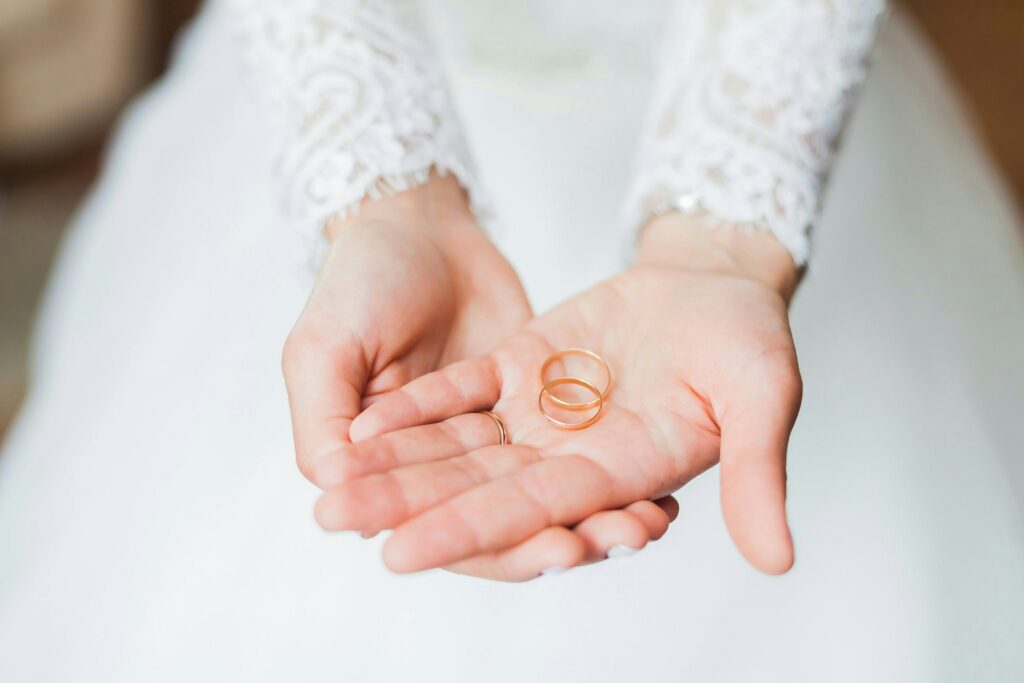
Wedding bands are rings exchanged during the marriage ceremony, traditionally simple in design and worn every day. Their strength lies in symbolism: continuity, unity, and lifelong partnership.
Diamond Wedding Bands
Diamond wedding bands feature diamonds set partially or around the entire ring. From pavé and channel-set designs to minimalist styles with a single discreet diamond, they balance sparkle with elegance. Suitable for all genders, diamond wedding bands add refinement without excess.
The Symbolic Role of the Wedding Ring in the Modern Ritual
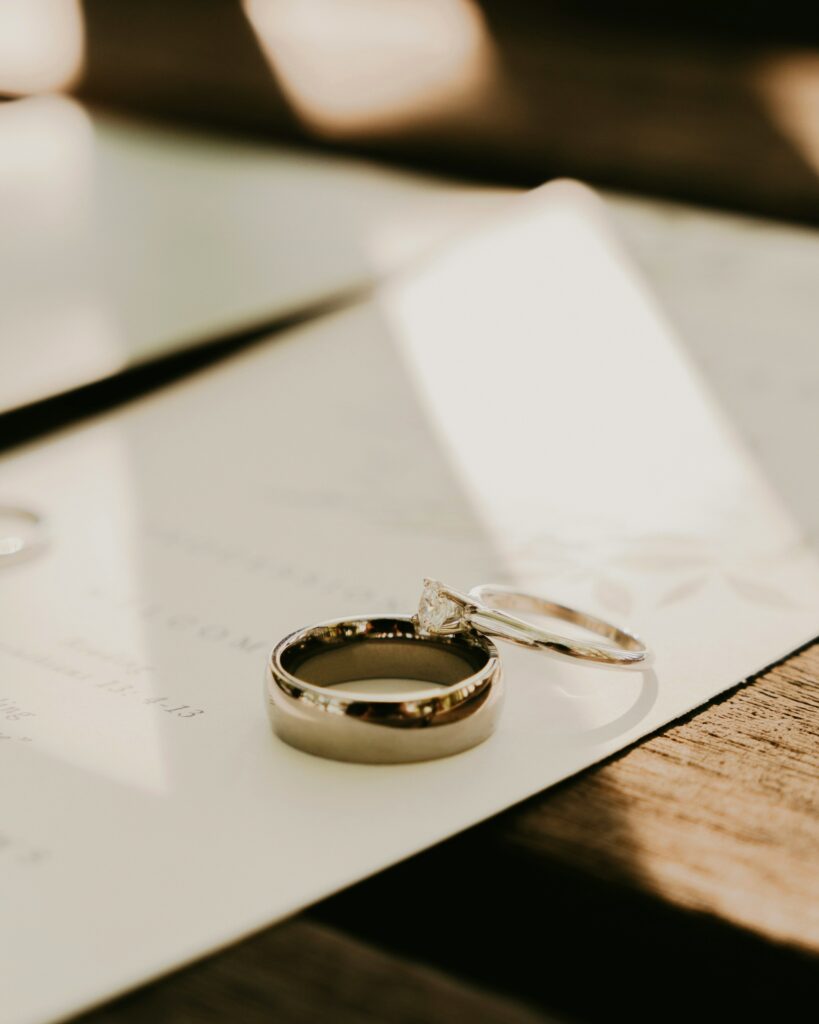
In contemporary weddings, the wedding ring is no longer just jewelry — it is a ritual act. Many couples now bless their wedding bands before the ceremony or integrate them into a symbolic or secular ritual. The ring becomes an object of transmission, almost spiritual, carrying meaning far beyond its material value. In this evolution, luxury becomes emotional: the gesture matters more than the object, and the ring becomes a true witness of life.
Wedding Rings in Different Cultures
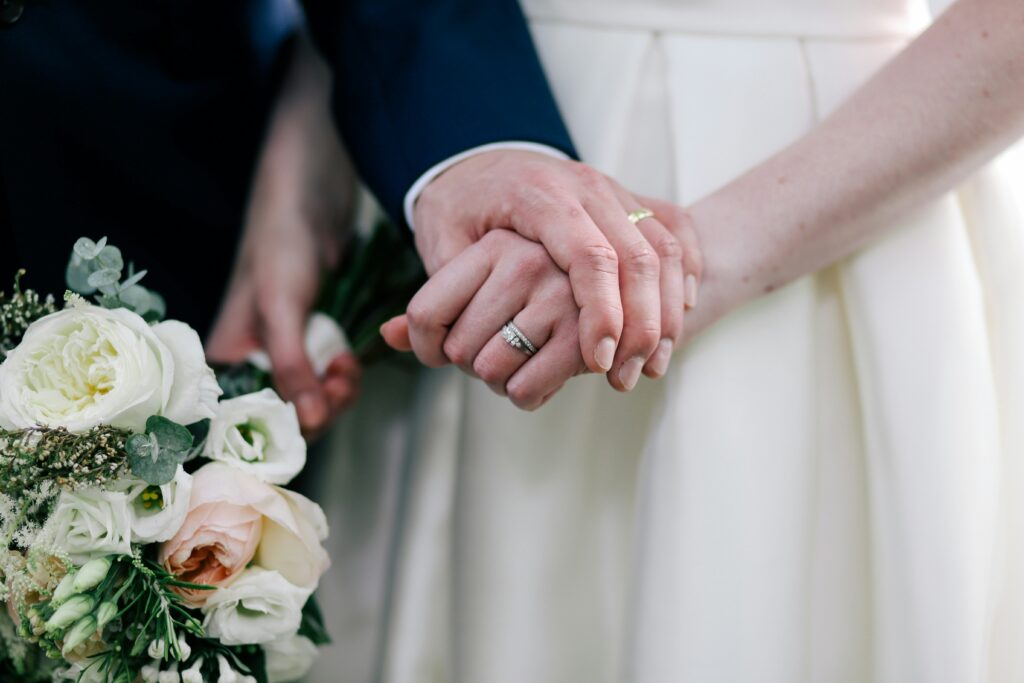
As we work with couples from diverse cultures, we see how wedding rings and wedding bands take on different meanings around the world:
Brazil
Couples often exchange plain gold wedding bands (alianças) during the engagement or civil ceremony, worn on the right hand and later moved to the left after the wedding.
France
Wedding rings (alliances) are exchanged during the ceremony and worn on the left hand. Designs tend to be simple, elegant, and understated.
Italy
Similar to France, fedi nuziali are exchanged at the wedding and traditionally crafted in yellow gold, symbolizing continuity and permanence.
United States
Engagement rings — often featuring a prominent diamond — are central. During the wedding, a wedding band is added, sometimes stacked with the engagement ring, allowing for highly personalized styles.
How to Choose a Wedding Ring or Wedding Band
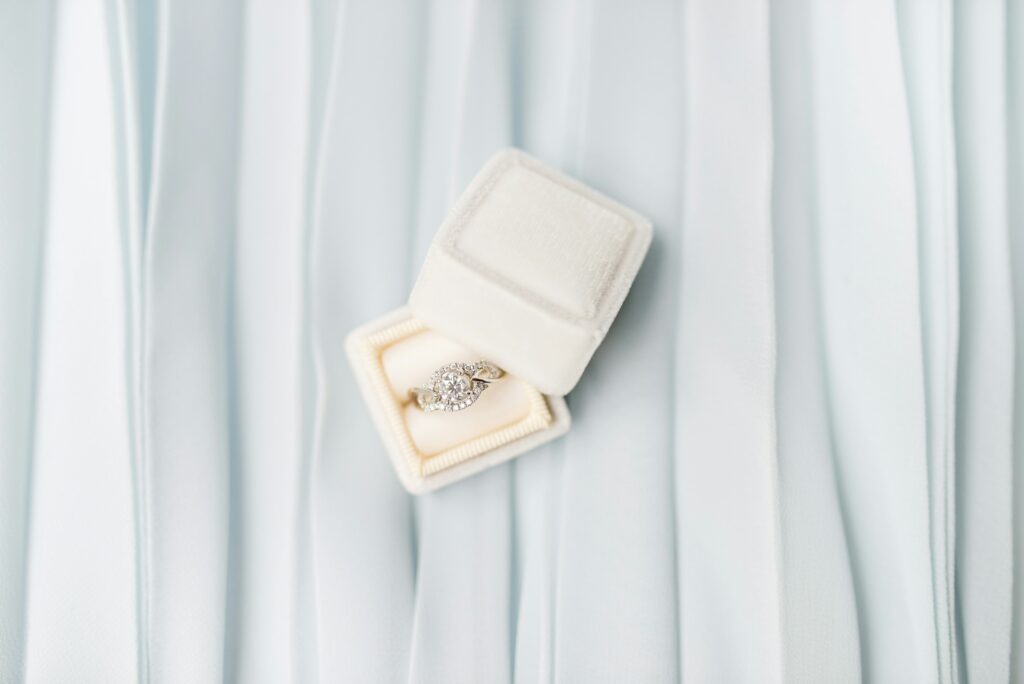
To create an emotional luxury experience, begin with intention rather than aesthetics alone. Choose wedding rings or wedding bands that tell your story — through an engraving, a meaningful date, or a symbol known only to you. Consider ethically sourced metals, recycled gold, or heirloom stones.
Turn the selection into a ritual: visit the jeweler together, slow down, touch the materials, feel the weight of the ring, observe how it catches the light. Finally, create a meaningful moment around the rings themselves — a private exchange, a blessing, or a symbolic gesture woven into the ceremony. Emotional luxury lives in these intimate choices.
Wedding Rings Trends 2026: The New Language of Luxury
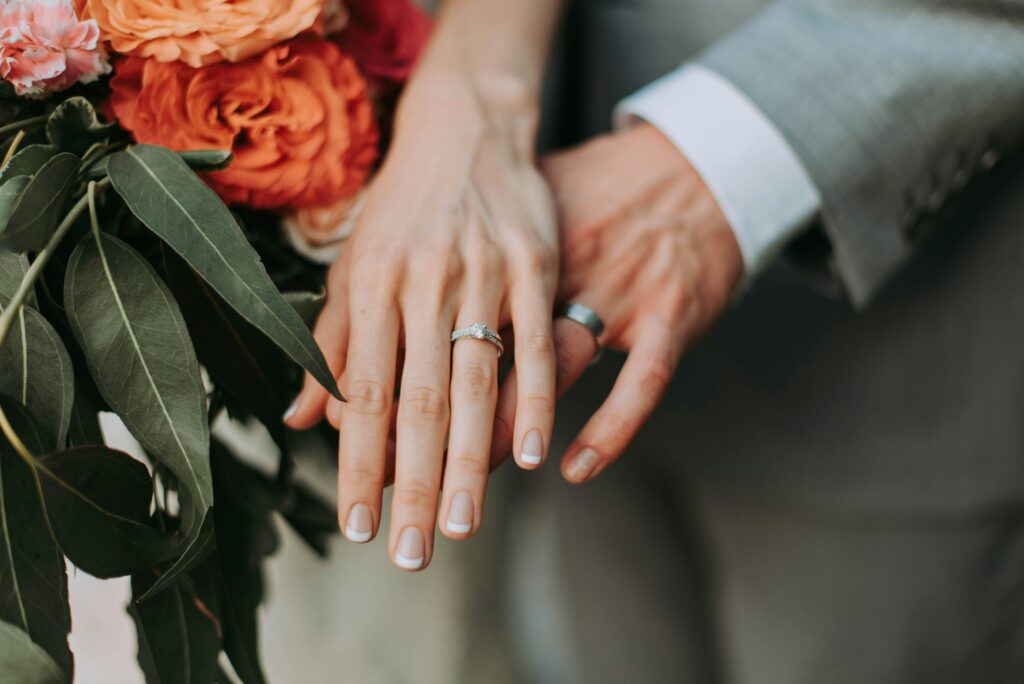
In 2026, couples are no longer asking “Which wedding ring is trending?” but “Which ring truly represents us?” Wedding rings and wedding bands now express identity, history, and emotion. Artisanal finishes, matte gold, sculptural forms, ethical materials, and bespoke creations define this new era. Luxury lies in authenticity — rings designed to endure, not impress.
Mixed-Metal Wedding Rings: Blending Contrast and Meaning
Mixed-metal wedding rings are rising across the US and Europe. Combinations like yellow gold with white gold, rose gold with platinum, or gold with titanium create visual harmony through contrast. Subtle personalization — handwritten engravings, symbolic dates, or words in an intimate language — transforms these rings into deeply personal expressions of love.
Wedding Rings for Men
Men’s wedding rings are increasingly defined by simplicity, comfort, and intention. Popular wedding bands for men include classic gold, platinum, or titanium rings, matte or brushed finishes, and discreet details such as mixed metals or inner engravings. Timeless, durable, and meaningful.
Wedding Rings for Women
Wedding rings for women range from classic to expressive. Delicate diamond bands, minimalist gold rings, eternity bands, and stackable designs are especially popular. Subtle personalization adds meaning while preserving elegance and comfort.
Which hand should you wear your wedding ring on?
The hand on which wedding rings, wedding bands, and engagement rings are worn varies by culture and tradition. In many countries, including the United States, France, and Italy, engagement rings are worn on the left hand, followed by the wedding band placed on the same finger during the ceremony, often worn closest to the heart. In other traditions, such as in Brazil and parts of Europe, wedding bands are first worn on the right hand during the engagement or civil ceremony and later moved to the left hand after marriage. While customs differ, modern couples increasingly choose what feels most meaningful to them, prioritizing personal symbolism over strict convention.
Wedding Ring Colours
Wedding ring colours are defined by metal and finish. Yellow gold offers warmth and tradition; white gold and platinum bring modern refinement; rose gold adds softness and romance; titanium and palladium introduce contemporary depth. Finishes — polished, matte, or brushed — further personalize the look.
Wedding ring insurance: how does it work?
To insure a wedding ring, start by obtaining a professional appraisal from a certified gemologist or trusted jeweler. The appraisal should clearly describe the ring’s materials, stones, and estimated replacement value, supported by photos and certificates. Keep all receipts and documentation, as insurers use these details to determine accurate coverage, and plan to update the appraisal every few years as market values change.
Next, choose the type of coverage that best fits your needs. You can add the ring to a homeowner’s or renter’s insurance policy as a scheduled item, or opt for specialized jewelry insurance, which often provides broader protection, including loss, theft, accidental damage, and worldwide coverage. Premiums typically cost 1–2% of the ring’s value per year, and policies should be updated whenever the ring is resized, redesigned, or revalued.
Famous wedding rings
Cristiano Ronaldo & Georgina Rodríguez
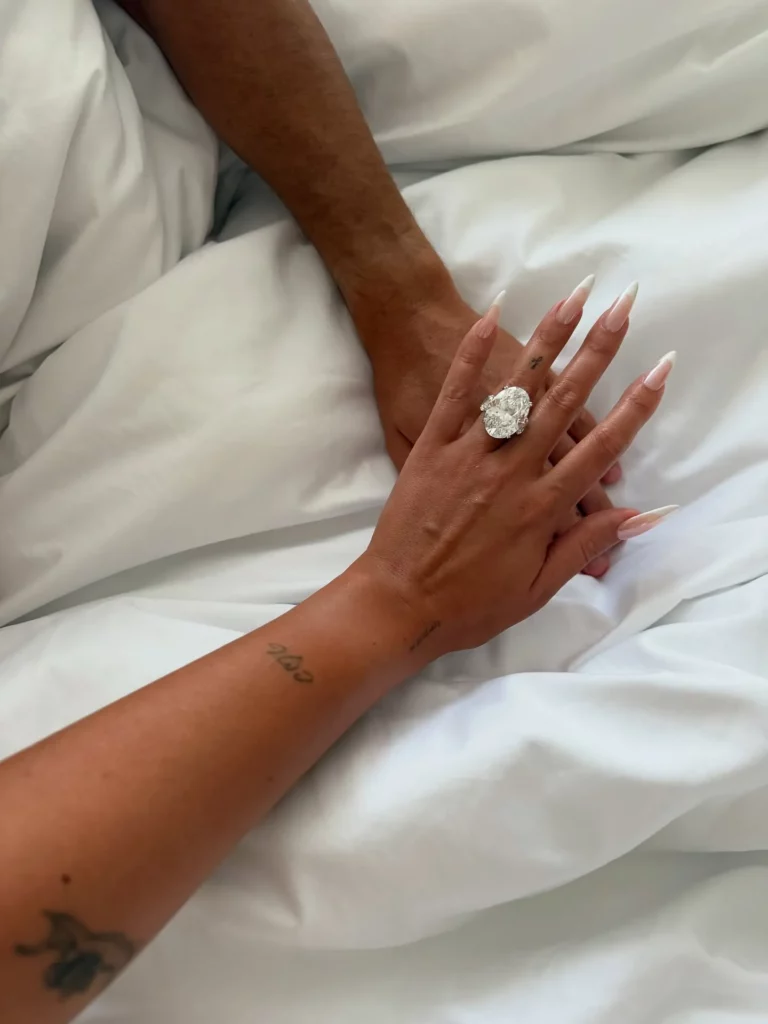
Cristiano Ronaldo proposed to Georgina Rodríguez with an extraordinary diamond ring that instantly captured global attention. Estimated to feature a center oval-cut diamond between 22 and 30 carats, the stone is framed by two oval side diamonds of approximately 1 carat each, bringing the total estimated weight to around 37 carats. With a refined length-to-width ratio of roughly 1.30 to 1.50, the centerpiece offers a perfectly balanced and elegant presence on the hand. Jewelry experts value the exceptional ring at between US $4 million and US $5 million, placing it among the most impressive celebrity engagement rings in recent years.
Taylor Swift engagement ring
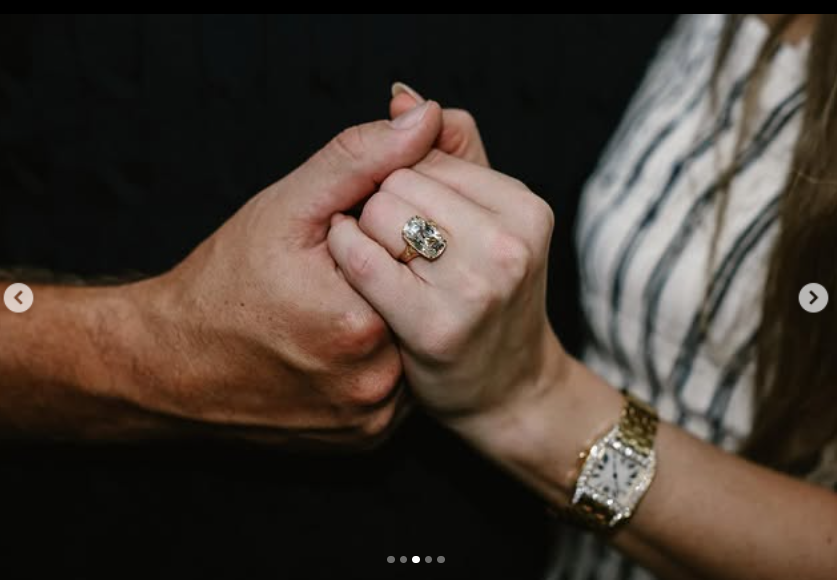
Designed by Kindred Lubeck of Artifex Fine Jewellery, Taylor Swift’s wedding ring features a vintage old mine–cut diamond, softly rounded at the corners and bezel-set in yellow gold, with delicate engraving along the band. Jewelry experts estimate the ring’s value at between approximately US $600,000 and US $5 million, with the central stone believed to weigh around 8 to 10 carats. The design reflects a broader shift toward heritage-inspired jewelry, favoring distinctive cuts and statement stones—an aesthetic that aligns seamlessly with Swift’s romantic, timeless style.
Selena Gomez wedding ring
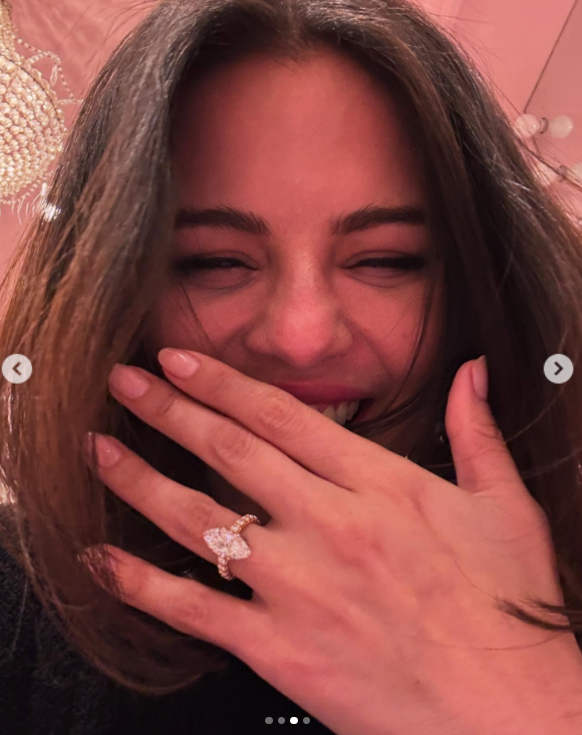
Selena Gomez’s engagement ring is a one-of-a-kind creation, thoughtfully designed by Benny Blanco in partnership with jewelers Katherine Theofilos Claster and Stephanie Theofilos of Abril Barret, and inspired by a vision the singer had cherished for years. The centerpiece is a natural marquise-cut diamond, selected for its exceptional quality and crafted to maximize brilliance, set on a yellow-gold pavé band. A raised setting was intentionally chosen so the elongated stone sits seamlessly alongside a wedding band. The ring carries personal symbolism for Gomez, echoing her iconic 2015 lyric, “I’m in my marquise diamonds, I’m a marquise diamond,” and reflecting her affinity for romantic yet distinctive design. Jewelry experts have praised the stone’s refined proportions and masterful cut, noting its balanced silhouette and luminous sparkle without the shadowing often seen in marquise diamonds. Estimated at five to eight carats and valued between $225,000 and $300,000, the ring stands as a striking blend of craftsmanship, sentiment, and timeless elegance.
Lauren Sanchez wedding ring
Lauren Sánchez’s wedding ring is a breathtaking statement piece—often described as a true boulder on her finger—whose brilliance is impossible to ignore. Created by iconic jeweler Lorraine Schwartz, the ring features a brilliant-cut elongated oval diamond, estimated to weigh between 30 and 40 carats. Jewelers believe the stone may be an internally flawless D-color diamond, the highest possible grade for color and clarity, calling it an exceptional rarity. The diamond is set in an elegant platinum setting adorned with a subtle double hidden halo and pavé-set natural diamonds, enhancing its radiance without detracting from the center stone. Reflecting a broader shift toward elongated oval—or “moval”—cuts, which merge the drama of a marquise with the softness of an oval, the ring is estimated to be worth around $4 million, securing its place among the most extraordinary celebrity wedding rings to date.
Cassia Thomas: luxury wedding planner in Paris, France and Italy
Cassia Thomas is an international wedding planner based in Paris, known for creating refined, emotionally driven celebrations across France and Italy. With decades immersed in the French art de vivre, she brings cultural sensitivity, elegance, and intention to every detail. Her approach, defined as Emotional Luxury, values meaning over excess, transforming weddings into deeply personal experiences that reflect each couple’s story, values, and shared life.
Contact us: